La Stanza Blu - Voices
Dejan Zdravkovic
Art as a space of balance
Arte come spazio di equilibrio
Serbia
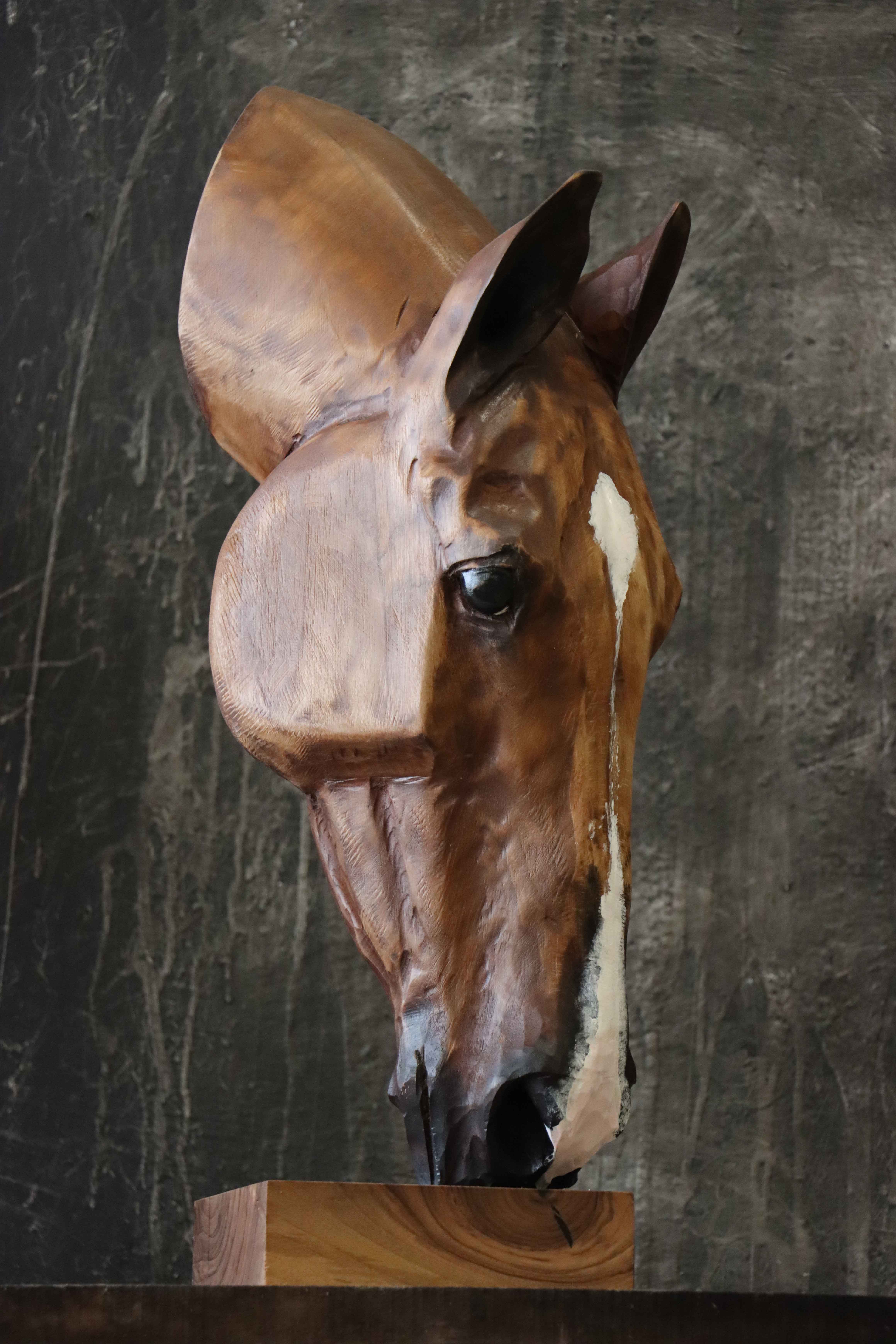
From the first time I saw Dejan’s sculptures, I was struck by the energy with which he creates them.
In particular, by the way that energy is transformed through sculpture into works that, almost in contrast, convey a sense of calm and peace.
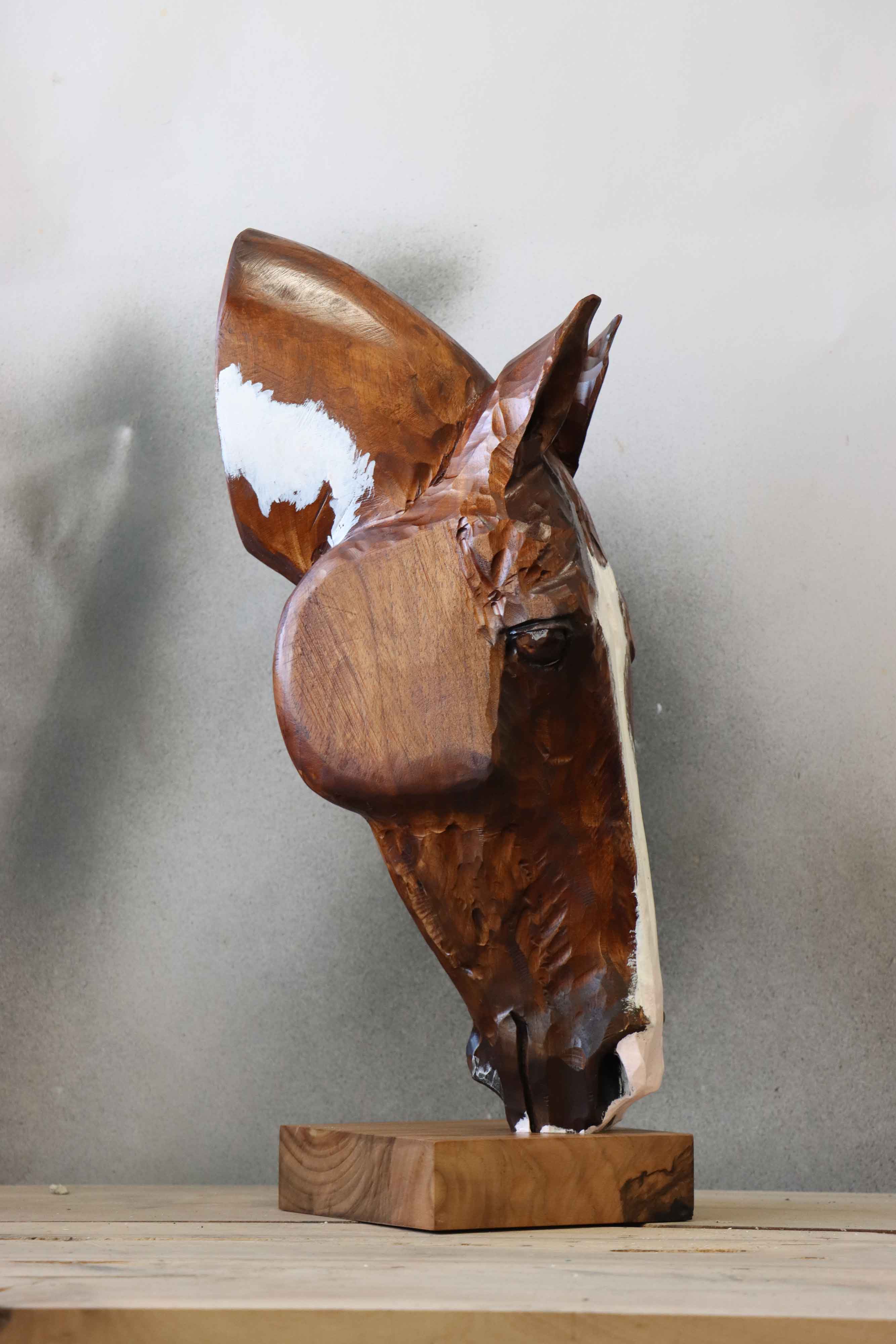
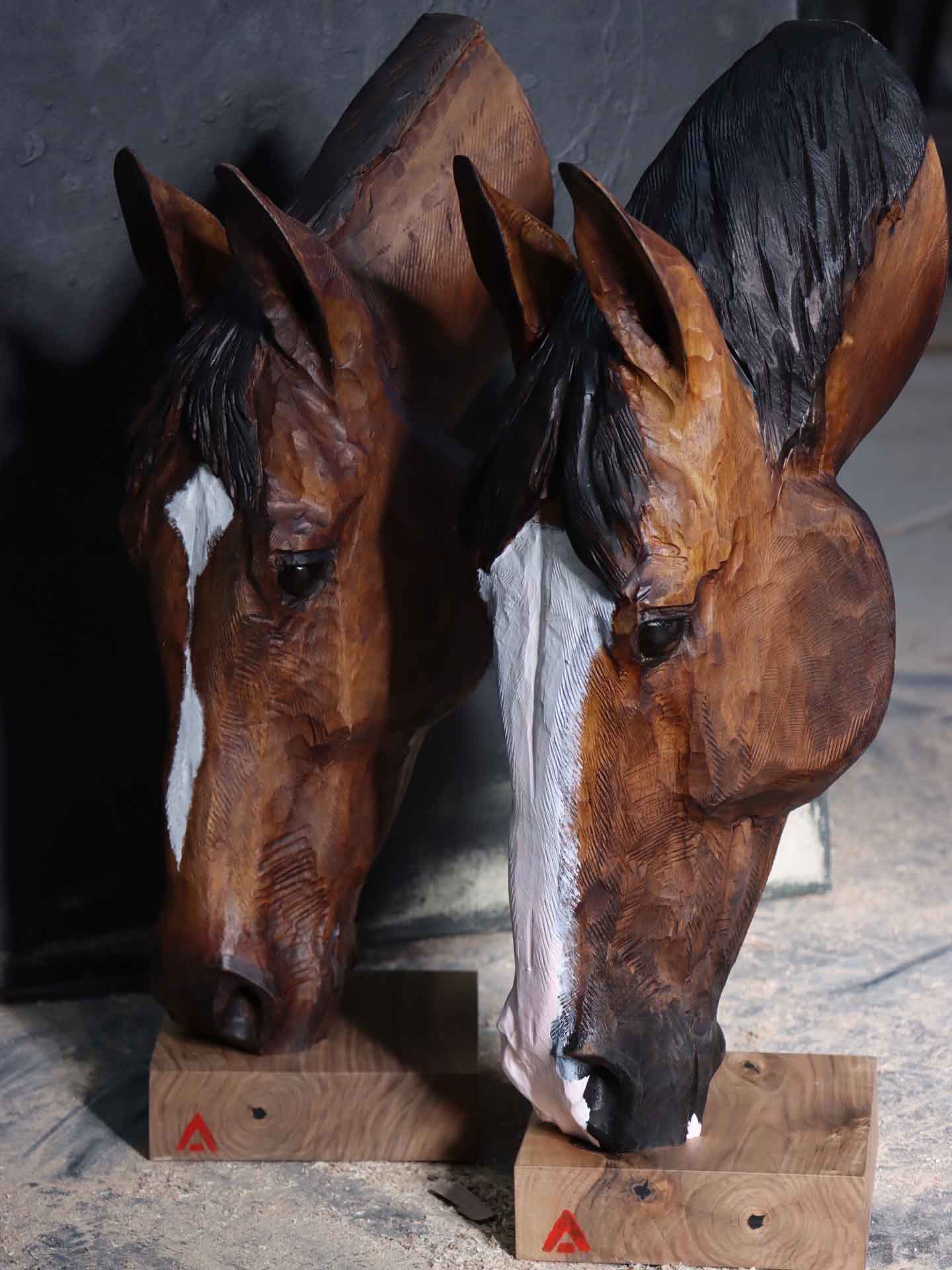
The animal sculptures he creates have the unique quality of being both strong and gentle at the same time. In some way, they feel alive, and after reading Dejan’s answers, that strength felt to me like the perfect transformation of his energy into sculptural form.
Gabriele Bonavera
Dalla prima volta che ho visto le sculture di Dejan sono stato colpito dall’energia con cui le realizza.
In particolare, da come quell’energia venga trasformata attraverso la scultura in opere che, in modo quasi opposto, comunicano una sensazione di calma e pace.
Le sue sculture di animali hanno la particolarità di essere forti e dolci allo stesso tempo. In qualche modo sembrano vive e, dopo aver letto le risposte di Dejan, quella loro forza mi è sembrata la perfetta trasformazione della sua energia sotto forma di scultura.
Gabriele Bonavera
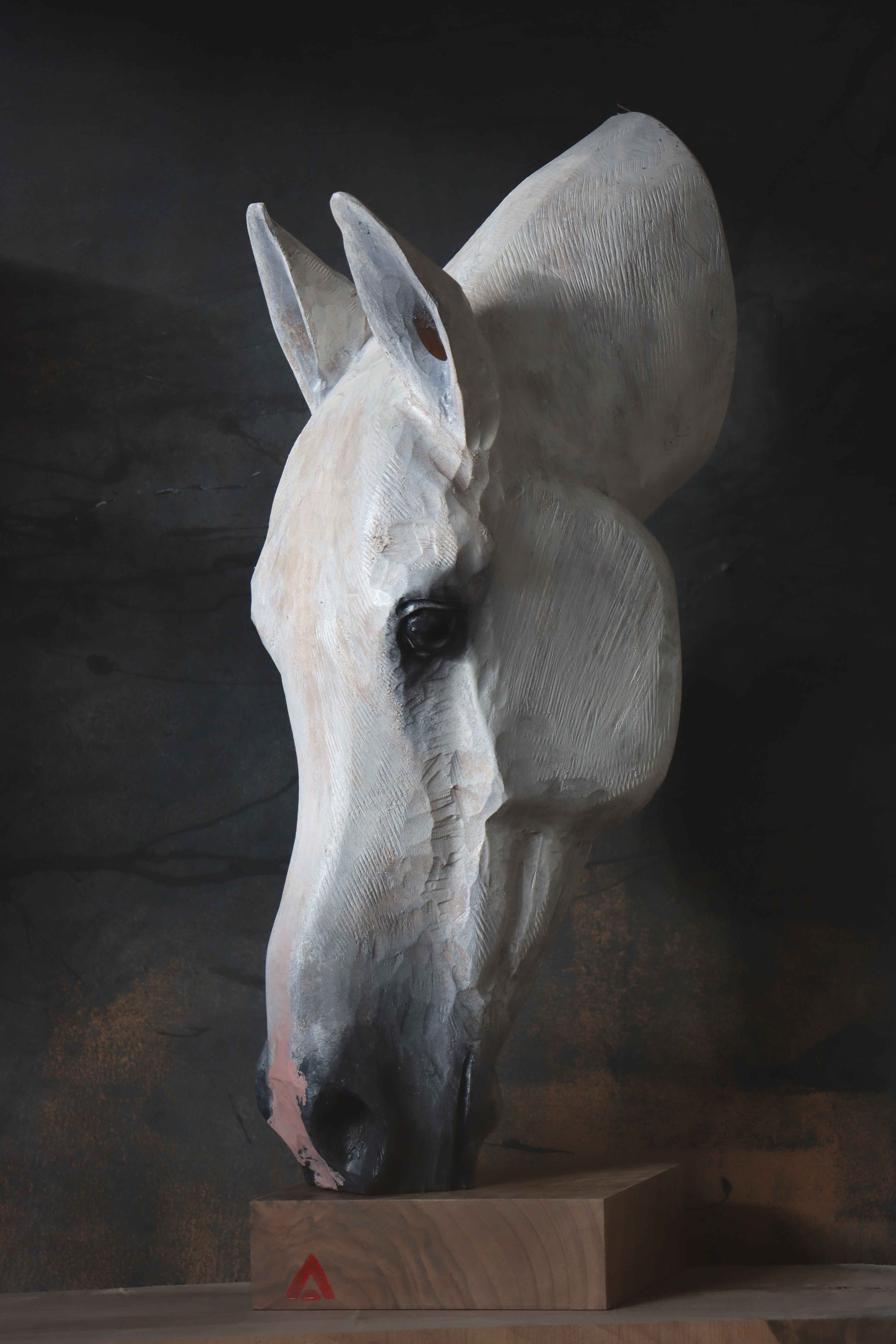
The place where your work begins.
What kind of space is it, and what does it quietly give back to you while you create?
For many years I worked in different spaces and rather inadequate workshops. The place where everything really began used to be a stable for horses for almost fifty years.
But even before that it was always a place of work. At one time bricks were made and fired there, later it was partly turned into a stable and partly into a blacksmith’s workshop. Eventually, I arrived there as well.
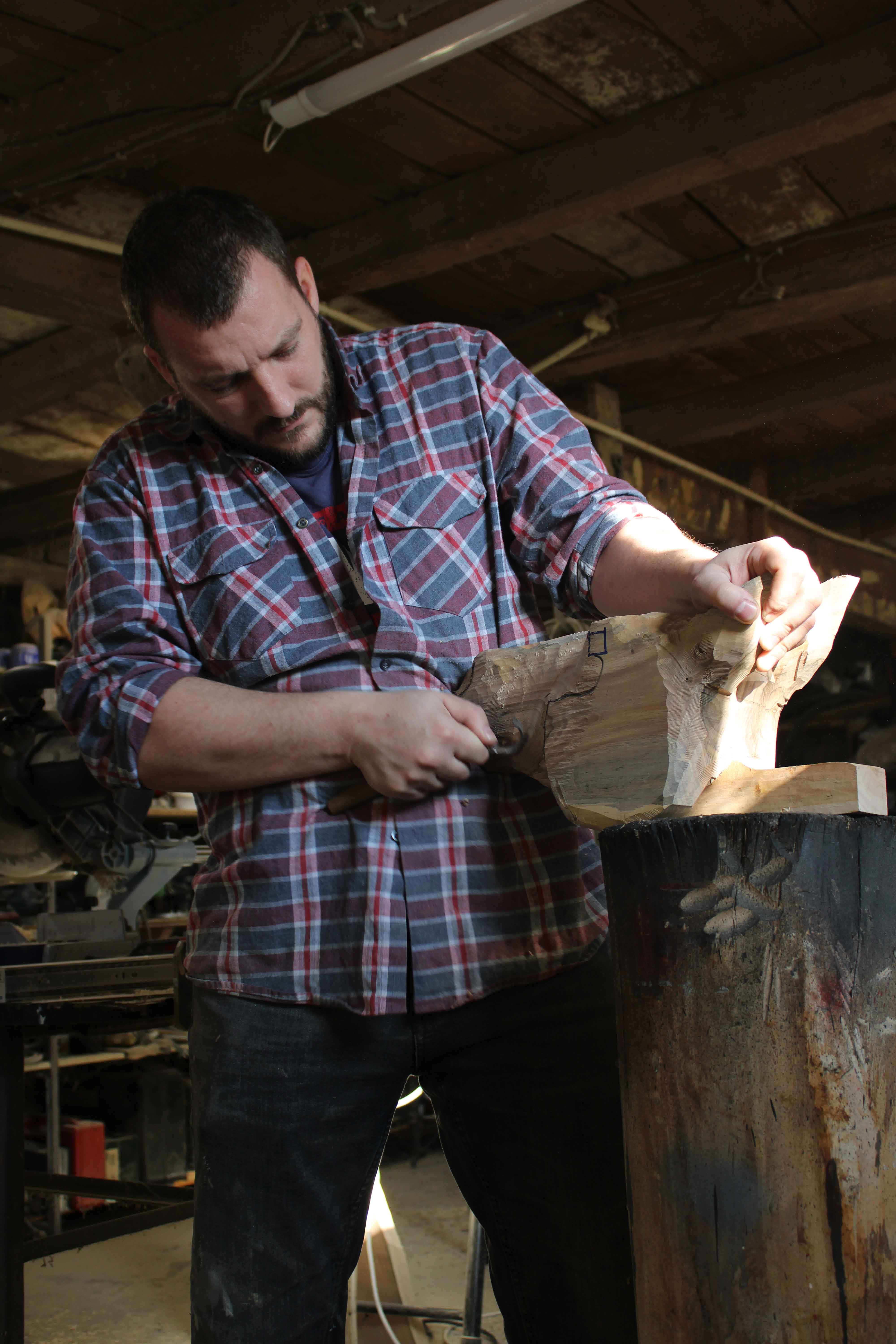
I feel very connected to the place where I create, because it is the only place where I can truly do what I want. It’s the only place where I feel alive and normal. A few months ago I moved to a new workshop, and during the first weeks it felt strange, new, almost sterile. Now it’s different. I’ve started to grow roots there — watching spiders in the corners and stacking pieces of wood along the walls.
My workshop gives me peace and stability, a sense of isolation and silence. Some people have a monastery, some have a library. I have my workshop.
Il luogo in cui nasce il tuo lavoro.
Che tipo di spazio è, e cosa ti restituisce mentre crei?
Per molti anni ho lavorato in spazi diversi, spesso laboratori piuttosto inadeguati. Il luogo in cui tutto è davvero cominciato era stato una stalla per cavalli per quasi cinquant’anni.
Ma ancora prima era sempre stato un luogo di lavoro. In un periodo vi si producevano e cuocevano mattoni, poi una parte fu trasformata in stalla e un’altra in officina da fabbro. Alla fine, ci sono arrivato anch’io.
Mi sento profondamente legato al luogo in cui creo, perché è l’unico posto in cui posso davvero fare ciò che voglio. È l’unico posto in cui mi sento vivo e normale.
Qualche mese fa mi sono trasferito in un nuovo laboratorio e, nelle prime settimane, tutto mi sembrava strano: nuovo, quasi sterile. Ora è diverso. Ho iniziato a mettere radici anche lì — osservando i ragni negli angoli e accumulando pezzi di legno lungo le pareti.
Il mio laboratorio mi dà pace e stabilità, un senso di isolamento e silenzio. Alcuni hanno un monastero, altri una biblioteca. Io ho il mio laboratorio.
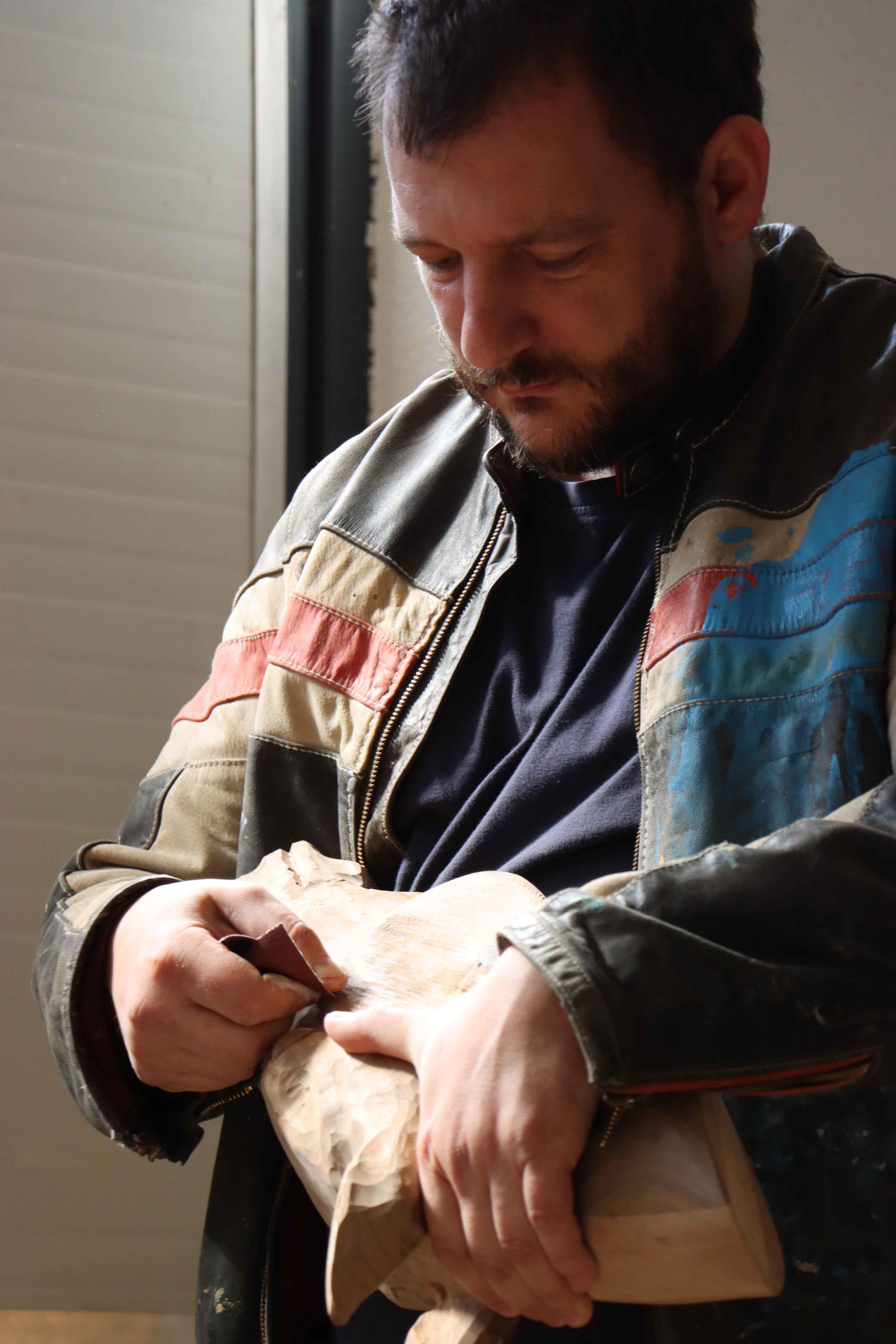
When you are creating, what happens inside you?
Is there a feeling, a rhythm, or a silence that accompanies your process?
I love what I do, but I’ve never really tried to analyze what exactly happens inside me while I work. Sometimes I’m happy, and sometimes I feel like I could set the whole world on fire — more often the second.
But then I enter the workshop and start working, and suddenly nothing gets to me anymore except the sculpture in front of me. Everything else somehow stops. The noise disappears and there is only the work.
I think sculpting is the thing that keeps me together.
Quando stai creando, cosa accade dentro di te?
C’è una sensazione, un ritmo o un silenzio che accompagna il tuo processo?
Amo quello che faccio, ma non ho mai davvero cercato di analizzare cosa succeda esattamente dentro di me mentre lavoro.
A volte sono felice, altre volte sento come se potessi dare fuoco al mondo intero — più spesso la seconda.
Poi entro nel laboratorio e comincio a lavorare, e improvvisamente nulla riesce più a raggiungermi, se non la scultura che ho davanti. Tutto il resto si ferma in qualche modo. Il rumore scompare e rimane soltanto il lavoro.
Credo che scolpire sia ciò che mi tiene insieme.
Every path carries its own weight.
Is there a difficulty you’ve had to face as an artist, and how has it shaped the way you work today?
Of course there are difficulties everywhere. Many people think the hardest thing is finding a market, reaching an audience, or getting someone to notice your work. And yes, it is very difficult. But it’s even harder to maintain that attention once you have it.
It’s difficult from the first day, and in some ways it becomes harder with time. You have more and more responsibilities and less and less time, and of course you are getting older along the way. Besides the art itself, there is also the reality of running a business, dealing with finances, and taking care of your family.
For me personally, one of the hardest things in the beginning was that I showed my talent at a very young age in a very modest environment. It was difficult to convince people that you actually know something and can do something. That affected my confidence for a long time. I was very afraid of social media and had a strong fear of showing my work publicly.
Ogni percorso porta con sé un peso.
C’è stata una difficoltà che hai dovuto affrontare come artista, e in che modo ha influenzato il tuo modo di lavorare oggi?
Le difficoltà, naturalmente, sono ovunque.
Molti pensano che la parte più difficile sia trovare un mercato, raggiungere un pubblico o riuscire a far notare il proprio lavoro. E sì, è molto difficile. Ma lo è ancora di più mantenere quell’attenzione una volta ottenuta.
È difficile dal primo giorno e, per certi versi, col tempo lo diventa ancora di più. Le responsabilità aumentano, il tempo diminuisce e, naturalmente, si invecchia lungo il percorso. Oltre all’arte in sé, c’è anche la realtà concreta del gestire un’attività, occuparsi delle finanze e prendersi cura della propria famiglia.
Per me, personalmente, una delle cose più difficili all’inizio è stata aver mostrato il mio talento molto giovane, in un contesto molto modesto. Era difficile convincere gli altri che sapessi davvero fare qualcosa, che avessi davvero qualcosa da offrire.
Questo ha influenzato a lungo la mia sicurezza in me stesso. Ho avuto molta paura dei social media e un forte timore di mostrare pubblicamente il mio lavoro.
If art were a word you carry with you, what would that word be — and why?
That’s a difficult question. For me, art is both everything and nothing at the same time. It is discipline, anger and calm, joy and sadness. It is learning to make the subconscious conscious, and learning how to live with contradictions.
Maybe the word would be balance.
At this moment in my life, that feels like the right word. Balance is something I am still trying to reach.
Se l’arte fosse una parola che porti con te, quale sarebbe — e perché?
È una domanda difficile. Per me l’arte è tutto e niente allo stesso tempo. È disciplina, rabbia e calma, gioia e tristezza. È imparare a rendere conscio ciò che è inconscio, e imparare a convivere con le contraddizioni.
Forse la parola sarebbe equilibrio.
In questo momento della mia vita, è quella che sento più vera. L’equilibrio è qualcosa che sto ancora cercando di raggiungere.
All images on this page are the property of the artist and have been kindly provided for this project. Any unauthorized reproduction or use is prohibited.
Tutte le immagini contenute in questa pagina sono di proprietà dell'artista e sono state gentilmente concesse per questo progetto. Ogni riproduzione o utilizzo non autorizzato è vietato.