La Stanza Blu - Voices
Josh Jensen
The skill of catching the wind
L'abilità di catturare il vento
Canada
I discovered Josh’s work through a desire to improve.
He was the instructor of an online course on abstract painting that proved to be very important for the evolution of my own work.
At first, I was struck by his deep technical expertise, but as I explored his art more closely, I felt there was something more in his pieces.
It was the same feeling you get when you taste a perfectly prepared dish and realize it’s a mix of perfectly balanced ingredients—you don’t know exactly what they are, but you want to find out.
As you’ll see, Josh expresses himself through abstract art, but his work conveys a world that perfectly blends very different elements: a great expressive freedom, energy, positivity, a spirit of experimentation, a profound respect for nature, and remarkable technical control. Moreover, his use of color impressed me from the very first piece of his I saw.
Through his creations, he can transport you to distant places, evoke sensations, and inspire stories.
You don’t know why, but you feel it deep inside—and that is the true power of art.
Gabriele Bonavera
Ho conosciuto il lavoro di Josh grazie alla voglia di migliorare.
Lui è stato l’insegnante di un corso online sulla pittura astratta che è stato molto importante per l’evoluzione del mio lavoro.
Inizialmente sono stato colpito dalla sua profonda preparazione tecnica ma scoprendo più a fondo la sua arte ho avuto la sensazione che nelle sue opere ci fosse qualcosa di più.
Ho avuto la stessa sensazione di quando assaggi un piatto ben cucinato e capisci che è un mix di ingredienti perfettamente bilanciato; non sai quali siano ma vuoi saperne di più.
Josh, come vedrete, si esprime attraverso l'arte astratta ma nelle sue opere si percepisce un mondo che mescola perfettamente al suo interno gli elementi più diversi: una grande libertà espressiva, l'energia, la positività, la voglia di sperimentare, un profondo senso di rispetto della natura e un grande controllo tecnico. Inoltre l'uso che fa dei colori è qualcosa che mi ha impressionato dalla sua prima opera che ho visto.
Con le sue creazioni riesce a trasportarti in luoghi lontani, farti provare delle sensazioni, immaginare storie.
Non sai perché, ma lo senti dentro e questa è la grande potenza dell’arte.
Gabriele Bonavera
The place where your work begins.
What kind of space is it, and what does it quietly give back to you while you create?
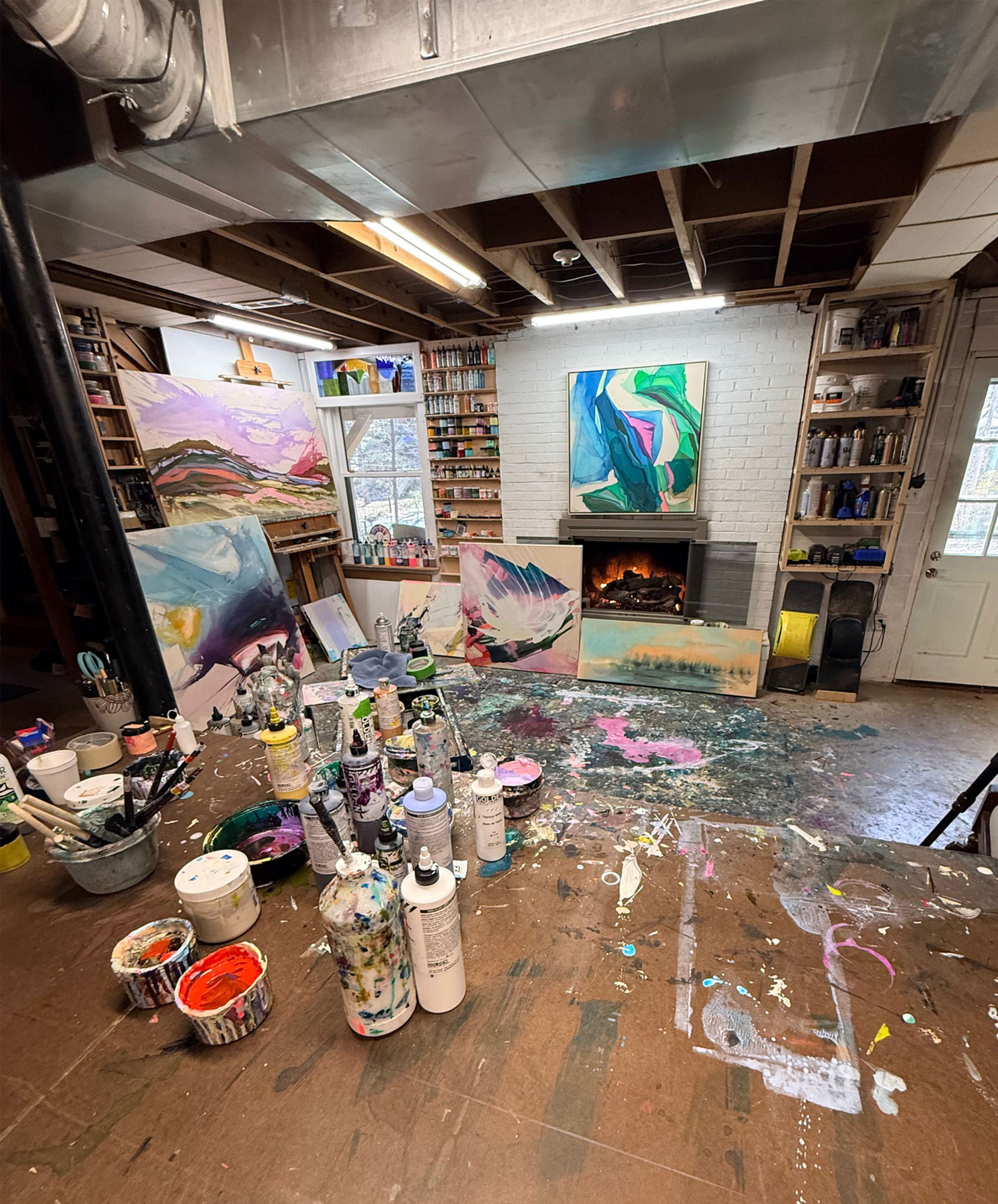
So, I have three kids. The oldest is 14, the youngest is nine, my middle guy is 12. And because of this, I paint in my home. I have a full basement that my wife has been kind enough to let me use in every capacity that I can. So it’s covered in paint all over the floor. There are brushes and tools everywhere. There’s a Lazy Boy chair where I sit and either stare at a work that’s in process or do a journaling practice.
The floor, the walls, the shelves, and all the things around me are a constant reminder of all the opportunity that’s there for the day. And when I create, I find that the history of the floor—with the splatters of paint everywhere—is a type of commitment to the space that I can see. What’s now over a decade’s worth of paint has just built up over the years, and it’s given me more of a sense of reassurance and commitment toward the space.
The quietness of it—I would say—it feels like it’s waiting for me at any point. In some ways, I could dream and fantasize about having a studio space with 30-foot ceilings out in an industrial section of the city. I think there would be an energy to that. But I also think that knowing I can come down here and paint at any point—for 10 or 15 minutes, or for hours if I have the time—is what’s always there for me. It’s always available.
I never have to go anywhere other than my own space to do it. It feels very different from the way an office job feels—where it never ends and you’re always online answering emails, and where that can be a kind of punishing weight, always having things looming. This is almost the inverse of that. There’s always an opportunity.
And it helps me develop a more acute sense of calling toward making something. I do feel like having regular hours in the studio is very helpful for the discipline side. But I also think having the flexibility to come down and work at odd times, when something kind of hits, is essential.
Like Elizabeth Gilbert has said, there’s almost a storm that’s coming. You get a sense that the storm is coming, and you can hurry and prepare for it and catch the wind a little bit. I think that happens with creativity if you’re able not only to listen for it, but to respond in the immediacy that it sometimes asks of you.
Il luogo in cui nasce il tuo lavoro.
Che tipo di spazio è, e cosa ti restituisce mentre crei?
Ho tre figli: il più grande ha 14 anni, il più piccolo nove, quello di mezzo dodici. Per questo motivo dipingo in casa. Ho un seminterrato che mia moglie, con grande generosità, mi ha lasciato usare in ogni modo possibile. Il pavimento è coperto di pittura, ci sono macchie ovunque. Pennelli e strumenti sono sparsi in ogni angolo. C’è anche una poltrona reclinabile, dove mi siedo a osservare un lavoro in corso oppure a scrivere, come parte della mia pratica di journaling.
Il pavimento, le pareti, gli scaffali e tutto ciò che mi circonda sono un promemoria costante delle possibilità che ogni giornata contiene. Quando creo, sento che la storia di questo spazio — con gli strati di pittura accumulati nel tempo — rappresenta una forma di impegno visibile. Oggi ci sono più di dieci anni di colore sedimentato lì sotto, e questo mi trasmette un profondo senso di continuità, di fiducia e di appartenenza allo spazio.
La quiete del luogo ha qualcosa di particolare: è come se fosse sempre lì ad aspettarmi. Certo, potrei sognare uno studio con soffitti altissimi, in una zona industriale della città, e sono sicuro che avrebbe un’energia diversa. Ma sapere di poter scendere qui in qualsiasi momento — anche solo per dieci o quindici minuti, oppure per ore se ho tempo — è ciò che per me conta davvero. Questo spazio è sempre disponibile.
Non devo spostarmi, non devo “andare” da nessuna parte. È molto diverso da un lavoro d’ufficio, che non finisce mai, dove sei sempre online a rispondere a email e con la sensazione costante di un peso che incombe. Qui accade l’opposto: c’è sempre un’opportunità.
Questo mi aiuta a sviluppare un senso più profondo di chiamata verso il fare. Avere orari regolari in studio è importante per la disciplina, ma altrettanto fondamentale è la flessibilità: poter scendere e lavorare in momenti inaspettati, quando qualcosa arriva all’improvviso.
Come dice Elizabeth Gilbert, è come l’arrivo di una tempesta. La senti avvicinarsi, ti prepari, cerchi di catturare il vento. Credo che la creatività funzioni così: se sei capace non solo di ascoltarla, ma anche di rispondere all’urgenza che a volte ti chiede.
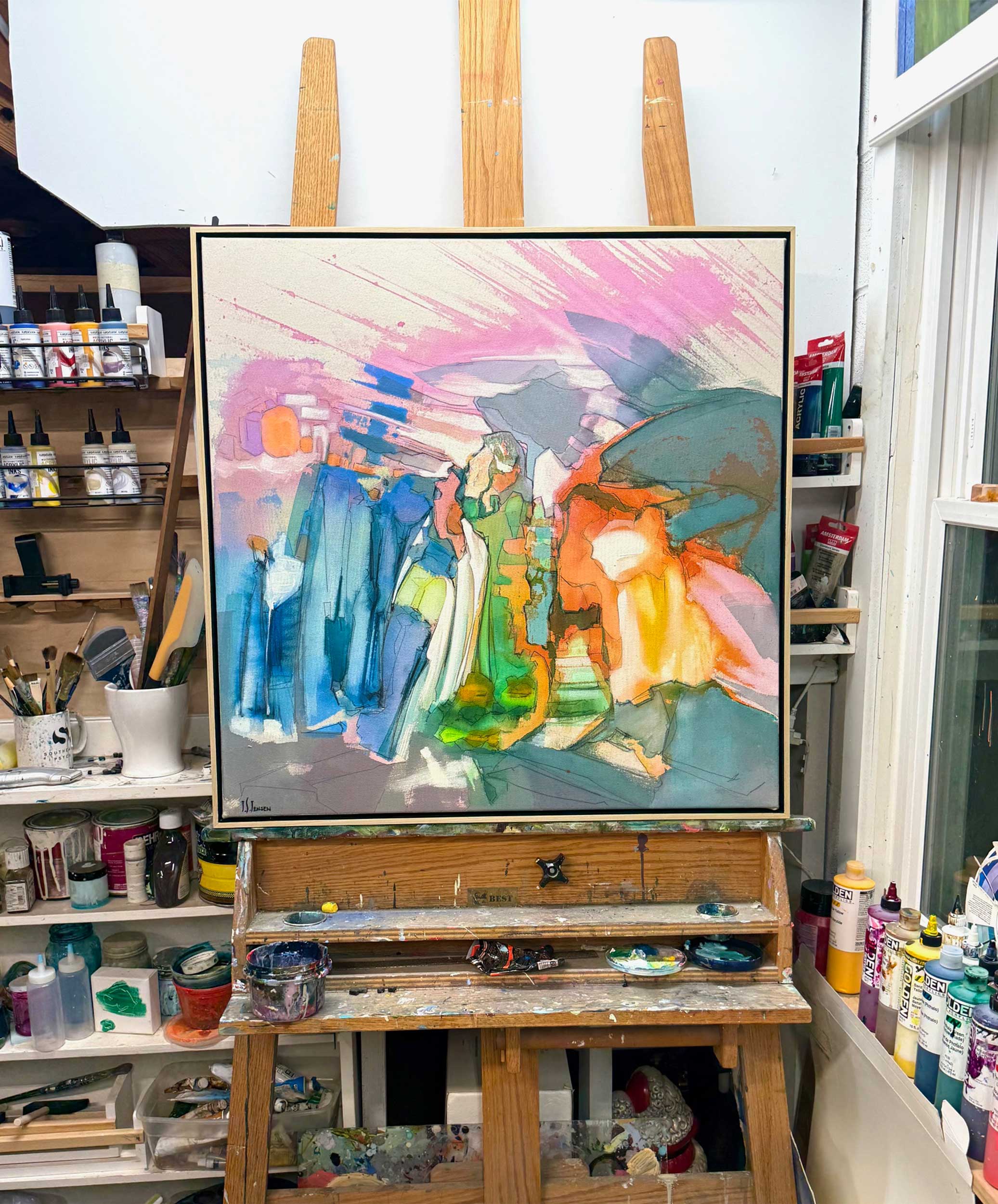
When you are creating, what happens inside you?
Is there a feeling, a rhythm, or a silence that accompanies your process?
Well, the easy answer would be to say it’s all of those—the feeling, the rhythm, and the silence—but at different times.
I really like the question because we are trying to create something on the outside, in visual art, while also being informed by the inner world. I’ve heard it said—and I’ve said it myself—that all abstract art is some type of self-portrait. Because if you don’t have a subject matter that you’re drawing from, all you can draw from is your inner world, your inner self.
And so I think the silence might be where everything comes from. You know, the universe being created from a silence. And I think when I’ve created some of my best works, it started with a silence—something that calls to me and wants me to create out of that silence.
Then I would say the rhythm might come next. The rhythm being a kind of bouncing back and forth between what’s created and what I see. It’s like a good conversation that just sort of builds momentum, and where it goes.
And I guess there are feelings all along the way. Any kind of action requires some kind of drive. Thoughts don’t drive us—thoughts are just like facts. It’s always feelings that propel us in any direction.
So I think I’m working on continuing to be aware of what the particularities of those feelings are: which ones are most helpful to me, and which ones may be antithetical to the creative process. Obviously, not all feelings are helpful. They’re all valid, but feelings of fear, I think, keep most of the creativity under wraps and don’t allow it to breathe or have room.
A complete lack of excitement and a lack of energy might feel like a kind of boringness. So there’s got to be some kind of intensity—some sense of excitement or fear—that propels us, but not so much that it holds us back.
I think feelings are constantly like the wind, pushing in different directions, and it’s about trying to maneuver the sail of the boat to catch the feeling that really propels me forward rather than pushes me backward or makes the boat capsize.
So, to answer the larger question of what happens inside, I think I’m trying to have a good relationship with the parts of me that are longing for things and calling to me, and to become as aware as possible of how that can be useful and helpful to the creative process.
And I think that has a myriad of possibilities—from being curious, to ambitious, to cautious. I think having what I would call self-awareness, rather than self-consciousness, is key. Because self-consciousness is like being on stage and being scrutinized, which I think is really problematic for the creative process. But self-awareness, on the other hand, feels immensely important.
Quando stai creando, cosa accade dentro di te?
C’è una sensazione, un ritmo o un silenzio che accompagna il tuo processo?
La risposta più semplice sarebbe dire che accadono tutte e tre le cose: una sensazione, un ritmo e un silenzio. Ma non nello stesso momento.
Mi piace molto questa domanda perché, nell’arte visiva, cerchiamo di creare qualcosa all’esterno mentre siamo costantemente guidati dal mondo interiore. Ho sentito dire — e l’ho detto anch’io — che tutta l’arte astratta è, in fondo, una forma di autoritratto. Quando non hai un soggetto esterno da cui partire, l’unica fonte possibile è il tuo mondo interiore.
Credo che il silenzio sia il luogo da cui tutto nasce. Pensiamo all’universo che emerge dal silenzio. Quando ho realizzato alcuni dei miei lavori migliori, tutto è iniziato proprio lì: da un silenzio che mi chiamava, che mi invitava a creare.
Poi arriva il ritmo. Un movimento continuo tra ciò che è stato fatto e ciò che vedo davanti a me. È come una conversazione riuscita, che prende slancio e si sviluppa da sola.
E lungo tutto il percorso ci sono le emozioni. Ogni azione ha bisogno di una spinta. I pensieri da soli non ci muovono: sono come dati di fatto. Sono le emozioni a portarci in una direzione o in un’altra.
Per questo sto cercando di diventare sempre più consapevole della qualità delle mie emozioni: capire quali mi aiutano davvero e quali, invece, ostacolano il processo creativo. Non tutte le emozioni sono utili, anche se sono tutte legittime. La paura, per esempio, tende a comprimere la creatività, a non lasciarle spazio per respirare.
Allo stesso modo, una totale mancanza di energia o di entusiasmo può generare una sorta di stasi, di noia. Serve una certa intensità: un misto di eccitazione e timore che spinga in avanti, ma senza bloccare.
Le emozioni sono come il vento: soffiano in direzioni diverse. Il lavoro sta nel saper orientare le vele, catturando l’emozione che ti spinge avanti, senza lasciarti rovesciare.
Alla fine, quello che accade dentro di me è un tentativo continuo di entrare in relazione con le parti che desiderano, che chiamano. Di diventare il più consapevole possibile di come tutto questo possa essere utile al processo creativo.
Questo spazio interiore può assumere molte forme: curiosità, ambizione, cautela. Ciò che conta davvero è la consapevolezza di sé, non l’autocoscienza. L’autocoscienza è come essere su un palco sotto osservazione, ed è profondamente dannosa per la creatività. La consapevolezza di sé, invece, è essenziale.
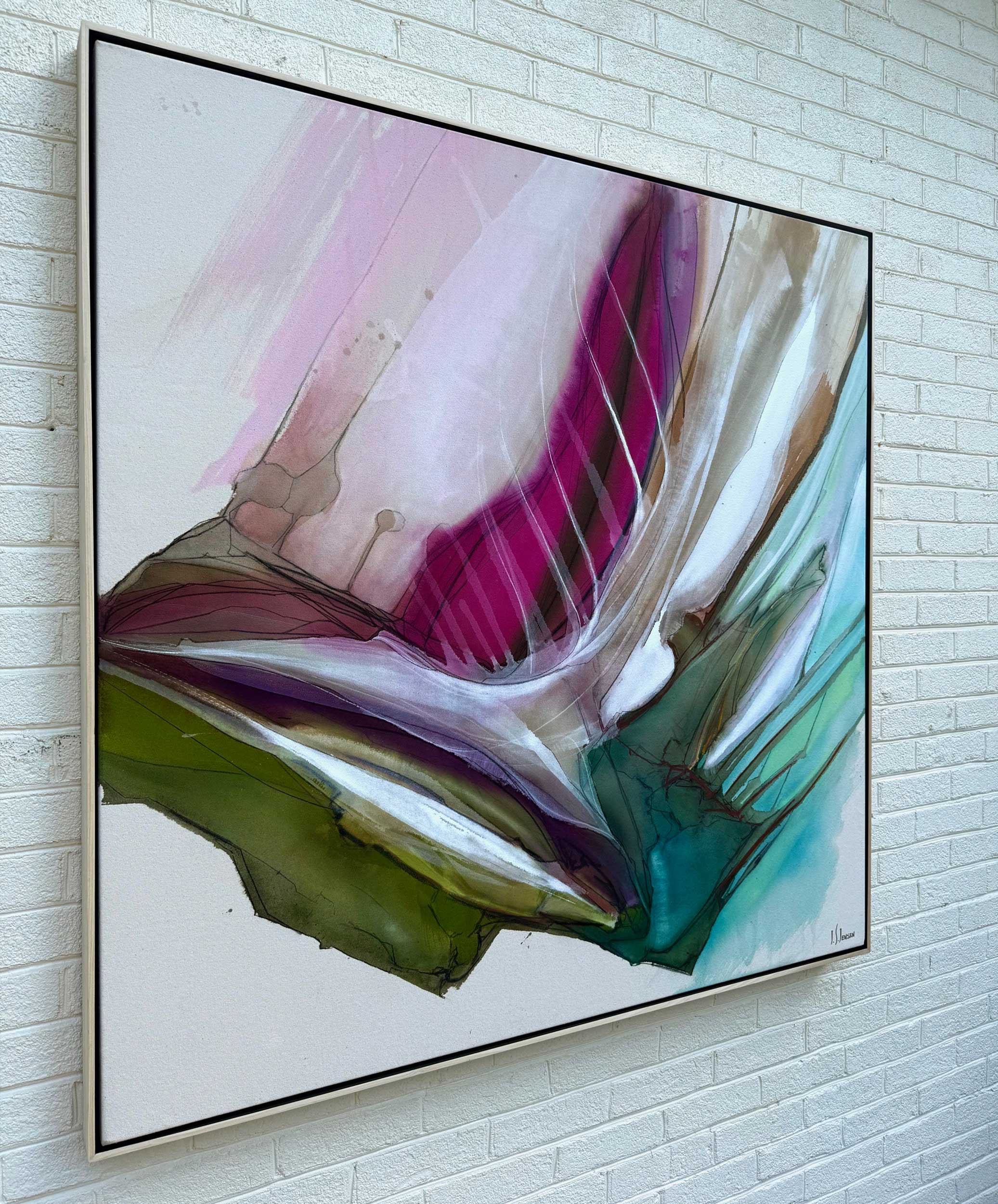
Every path carries its own weight.
Is there a difficulty you’ve had to face as an artist, and how has it shaped the way you work today?
So, I think the real question is: what’s the problem with being an artist? What problems have I found that being an artist creates?
I think there is a type of pressure—and not a very helpful one—in any identity that we attach ourselves to, especially when it comes with judgment, whether good or bad. If I view myself as, let’s say, a celebrity, a star athlete, or someone people admire, that carries the weight of needing to keep that up. In a sense, I become attached to this identity and to the belief that people love me, like me, or admire me because of what I’m doing.
And this doesn’t even have to mean that I’ve become successful or not. It just means that when we’re chasing an identity, all sorts of things can go wrong. We start trying to use what we’re doing as a platform for our own ego, rather than for the thing itself.
If my main goal as a parent were to convince everybody that I’m a good parent, a good dad, a loving father, I would, in some ways, be stacking the deck toward what’s most visible. I wouldn’t be able to tolerate seeing myself in a poor light. And because of that, I’d be more likely to push everything uncomfortable underground—either lying to others or, more likely, lying to myself.
So again, the identity—specifically the identity of being an artist—is pretty problematic.
One of my favorite authors right now, Anthony de Mello, says, “The last barrier to God is God.” What he means is that the name “God” is often what blinds us from actually seeing or experiencing who God truly is. We think we know, and we attach ourselves to a label that is not only stagnant, but that serves some other purpose.
I think, as artists, we’ve heard it many times: you need to do art for its own sake. And that’s the truest version of the work. You do it because you love it, and because it’s worth doing—regardless of whether you make money, whether you get applause, or whether you get the ego stroke.
The identity of being an artist, especially in this world of social media and status, and with artists always feeling on the edge of extinction, makes the idea that we could “make it” incredibly intoxicating. It’s an ego-driven goal, and it can really get in the way of doing the true work—the authentic work—the work that actually means much more than what you’re trying to show.
My roommate in college was a theater major, and he used to say that his coaches and teachers would repeat this all the time: “Don’t show.” When you’re trying to show other people who the character is, it’s bad acting. When you’re trying to be the character, that’s when the best acting happens.
And it’s the same thing with visual art. If you’re trying to show that you’re an artist—to yourself or to others—you’re going to make an inferior version of your own work. But if you’re simply trying to be it, that’s where the magic happens.
Ogni percorso porta con sé un peso.
C’è stata una difficoltà che hai dovuto affrontare come artista, e in che modo ha influenzato il tuo modo di lavorare oggi?
La vera domanda, forse, è: qual’è il problema dell’essere un artista? Quali difficoltà crea questa condizione?
Penso che ogni identità a cui ci aggrappiamo porti con sé una pressione — spesso poco sana — soprattutto quando è legata al giudizio degli altri. Se mi vedo come una persona ammirata, una celebrità o qualcuno di “importante”, nasce automaticamente il bisogno di mantenere quell’immagine. Mi lego all’idea che le persone mi apprezzino per ciò che faccio.
Questo non ha necessariamente a che fare con il successo. Il problema nasce quando inseguiamo un’identità. In quel momento iniziamo a usare ciò che facciamo come un veicolo per l’ego, invece che per il valore intrinseco del lavoro.
Se, come genitore, il mio obiettivo fosse dimostrare a tutti di essere un buon padre, finirei per concentrarmi solo su ciò che è visibile. Non tollererei di vedermi sotto una luce negativa e spingerei tutto ciò che è scomodo nell’ombra — mentendo agli altri o, più spesso, a me stesso.
L’identità di artista, in questo senso, è particolarmente problematica.
Un autore che amo molto, Anthony de Mello, dice: “L’ultimo ostacolo a Dio è Dio”. Intende dire che il nome stesso diventa un limite, un’etichetta che ci illude di sapere, impedendoci di fare esperienza diretta.
Come artisti, sentiamo spesso dire che bisogna fare arte per il solo fatto di farla. Ed è vero. La versione più autentica del lavoro nasce dall’amore per ciò che si fa, indipendentemente dal denaro, dagli applausi o dalle gratificazioni dell’ego.
In un mondo dominato dai social media e dallo status, dove gli artisti si sentono sempre sul punto di scomparire, l’idea di “farcela” diventa estremamente seducente. Ma è una trappola dell’ego che rischia di allontanarci dal vero lavoro — quello autentico, che conta davvero più di qualsiasi immagine da mostrare.
Un mio coinquilino all’università studiava teatro. I suoi insegnanti ripetevano sempre: “Non mostrare”. Quando cerchi di mostrare chi è un personaggio, stai recitando male. Quando cerchi di essere quel personaggio, nasce la vera recitazione.
È lo stesso nell’arte visiva. Se cerchi di dimostrare di essere un artista — a te stesso o agli altri — il risultato sarà una versione più debole del tuo lavoro. Ma quando smetti di dimostrare e inizi semplicemente a essere, lì accade qualcosa di vero.
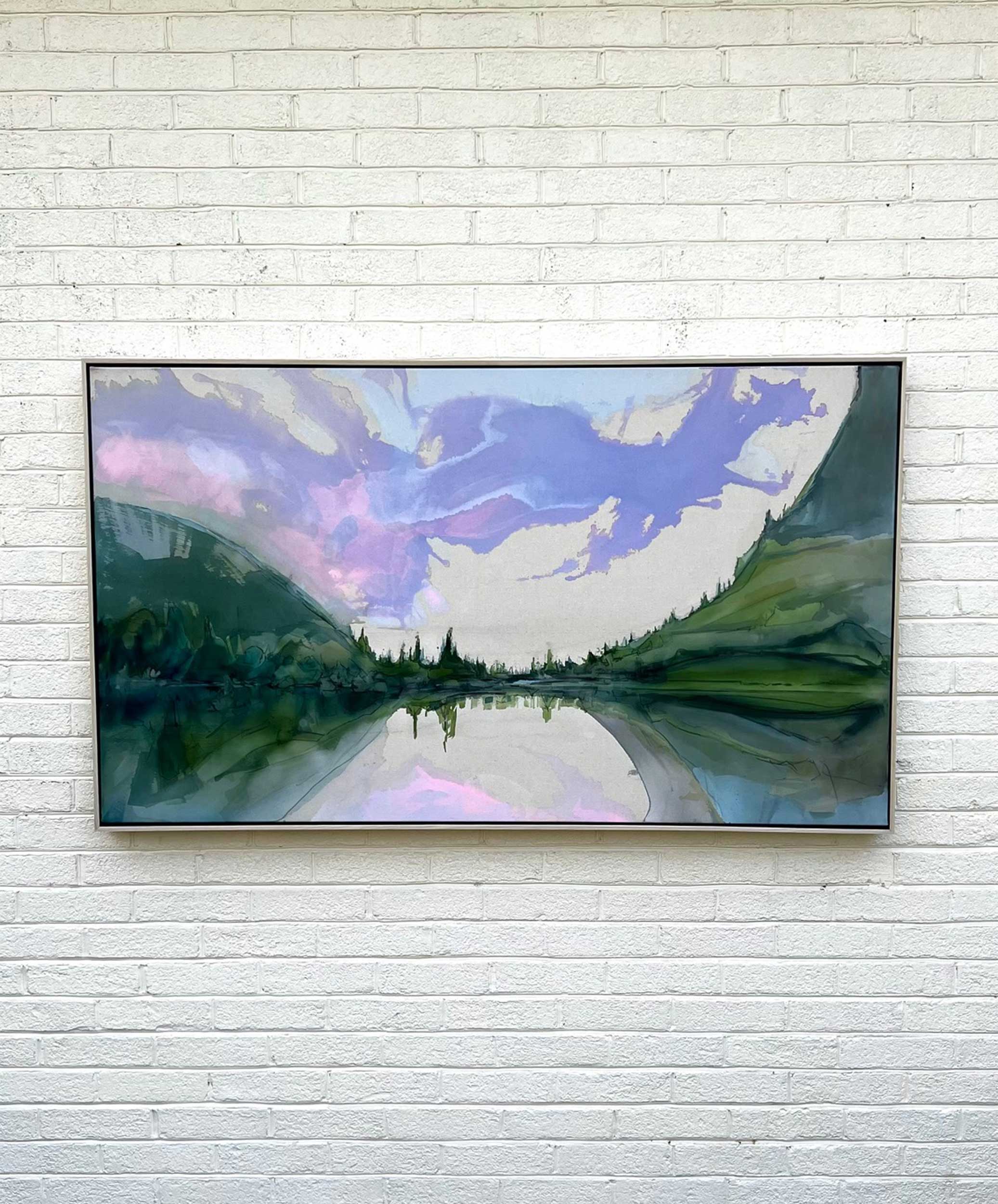
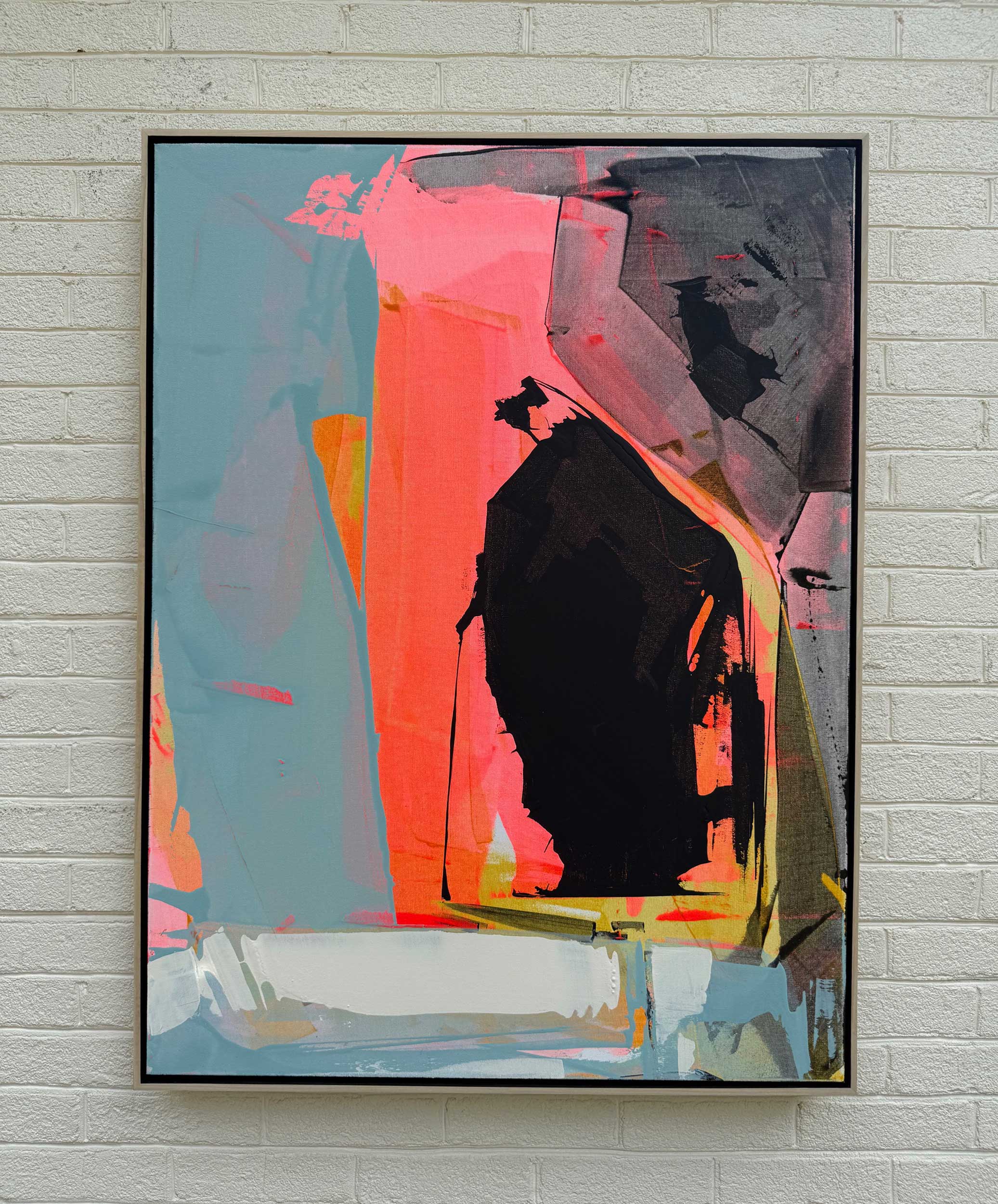
If art were a word you carry with you, what would that word be — and why?
This is a tough one.
I’m going to go in a couple of different directions with it. First, the thing that immediately pops into my head is that I want to answer this for myself, not for art in general.
I think the word that comes closest for me is ambivalence. It’s one of my favorite words. It simply means feeling two seemingly contradictory things at the same time. And I think it explains so much of what happens with us.
You know, when you see a movie and say, “I loved it and I hated it.” Or when you think about an era of your life and say, “It was the best of times and it was the worst of times.” With the best kind of art, there’s a type of drama going on. And how can you have drama without a mixture of failure and success, love and hate, hero and villain?
It’s all of those things. And it doesn’t even have to be black-and-white, yin-and-yang opposites. It’s just a mix of things that, taken in isolation, seem to have nothing to do with each other. But when they all fit together, it becomes a symphony—where all the instruments interact in a way that eventually makes sense.
So I think ambivalence encapsulates a lot of that for me.
I could also use the word non-duality, although that feels a bit cold and intellectual. I prefer an emotional word—one that describes the complexity of what’s felt. Because in the end, I don’t think the best art is intellectual or conceptual. It’s emotional. It’s an experience.
And I might also push back on the question a little and say that there is no word for it. I don’t think there is a word that truly describes that thing.
One of the things that completely blew my mind in art history classes back in college—and really changed everything for me—was when I took an African art history course. The first thing I learned was that sub-Saharan African art never went through a period of representational art. They weren’t interested in making things look like the real world. They were kind of like, what’s the point? It’s supposed to look like its own unique thing, not a copy of something else.
That was amazing. But the other thing that still baffles me is that they made art, yet there was no word for art in Swahili—at least for the longest time. Before Westerners arrived and said, “This is art,” there was no equivalent word for it.
And I think there’s something magical about that. You can know what something is without needing a word for it.
Our names, in a sense, are a word for our entire person. And when you really think about it, a name is just a placeholder. It doesn’t even come close to encapsulating who we are. Eventually, you have to drop the name. A person simply is who they are.
I think the people you know best don’t really feel like their names at all—they’re just themselves.
So I think the absence of a word is actually part of how I think about art.
Se l’arte fosse una parola che porti con te, quale sarebbe — e perché?
Questa è una domanda difficile.
Andrò in più direzioni. La prima cosa che mi viene in mente è che posso rispondere solo per me, non per l’arte in generale.
La parola che più si avvicina, per me, è ambivalenza. È una delle mie parole preferite. Significa provare due sentimenti apparentemente opposti nello stesso momento. E credo che spieghi molto di ciò che viviamo.
Pensiamo a quando diciamo di un film: “Mi è piaciuto e l’ho odiato”. O a un periodo della vita che ricordiamo come il migliore e il peggiore allo stesso tempo. Nell’arte migliore c’è sempre un dramma, e il dramma nasce dalla coesistenza di opposti: fallimento e successo, amore e odio, eroe e antagonista.
Non si tratta necessariamente di contrasti netti, di bianco e nero. È piuttosto un intreccio di elementi che, presi singolarmente, sembrano scollegati. Ma quando si uniscono, diventano una sinfonia, in cui ogni strumento trova il proprio posto.
Per questo ambivalenza racchiude molto di ciò che sento.
Potrei usare anche la parola non-dualità, ma la trovo fredda, troppo concettuale. Preferisco una parola emotiva, che parli della complessità dell’esperienza. Perché, in fondo, l’arte migliore non è intellettuale: è emotiva, è un’esperienza.
Potrei persino dire che non esiste una parola per l’arte. Una delle cose che più mi ha colpito studiando storia dell’arte è stata scoprire che, nell’Africa subsahariana, non è mai esistita una fase di arte rappresentativa. Non c’era interesse nel copiare la realtà: l’opera doveva essere qualcosa di unico, non una replica del mondo.
Ancora più sorprendente è che, per molto tempo, non esisteva nemmeno una parola per “arte” in swahili. Prima dell’arrivo degli occidentali, quel concetto semplicemente non aveva un nome.
E trovo che in questo ci sia qualcosa di profondamente poetico. Si può conoscere qualcosa senza doverla nominare.
I nostri nomi, in fondo, sono solo segnaposto. Non riescono minimamente a contenere ciò che siamo davvero. A un certo punto, il nome cade, e resta solo la persona.
Credo che le persone che conosciamo davvero non coincidano con il loro nome: sono semplicemente ciò che sono.
Forse, allora, anche l’assenza di una parola fa parte del modo in cui penso all’arte.
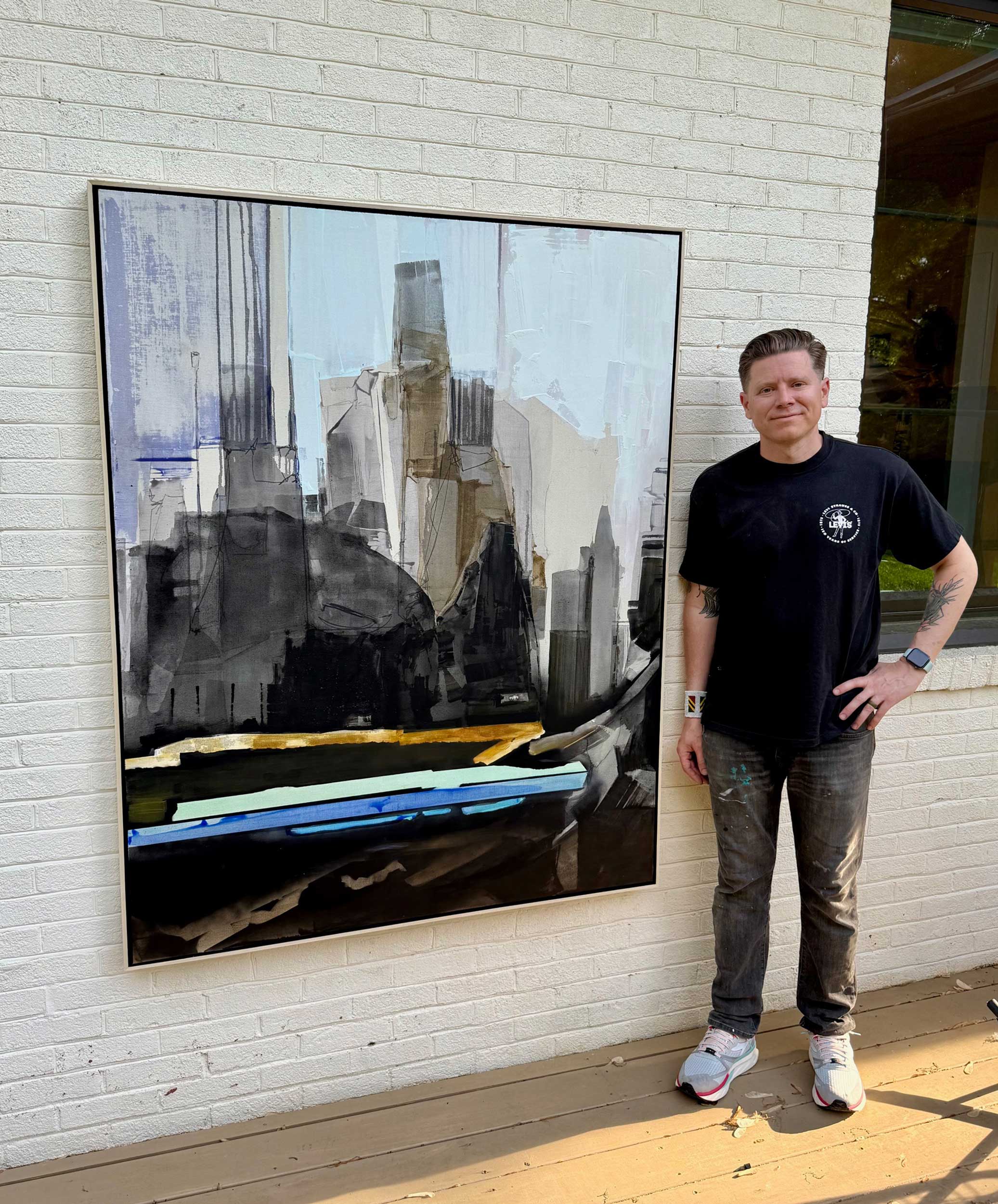
All images on this page are the property of the artist and have been kindly provided for this project. Any unauthorized reproduction or use is prohibited.
Tutte le immagini contenute in questa pagina sono di proprietà dell'artista e sono state gentilmente concesse per questo progetto. Ogni riproduzione o utilizzo non autorizzato è vietato.