La Stanza Blu - Voices
Julian Curi
Animating characters with soul
Personaggi animati con anima
United States
When I first came across Julian’s work, my mind had a strange reaction. It was as if it told me:
“What I’m seeing is incredible. It reminds me of something I’ve seen before, something familiar — and yet, at the same time, it feels completely unique. And I want more of it.”
And this is exactly Julian’s talent: he has taken the languages of many different and familiar artistic expressions, made them his own, blended them, and pushed them further — creating a language that is entirely his, unique and distinctive.
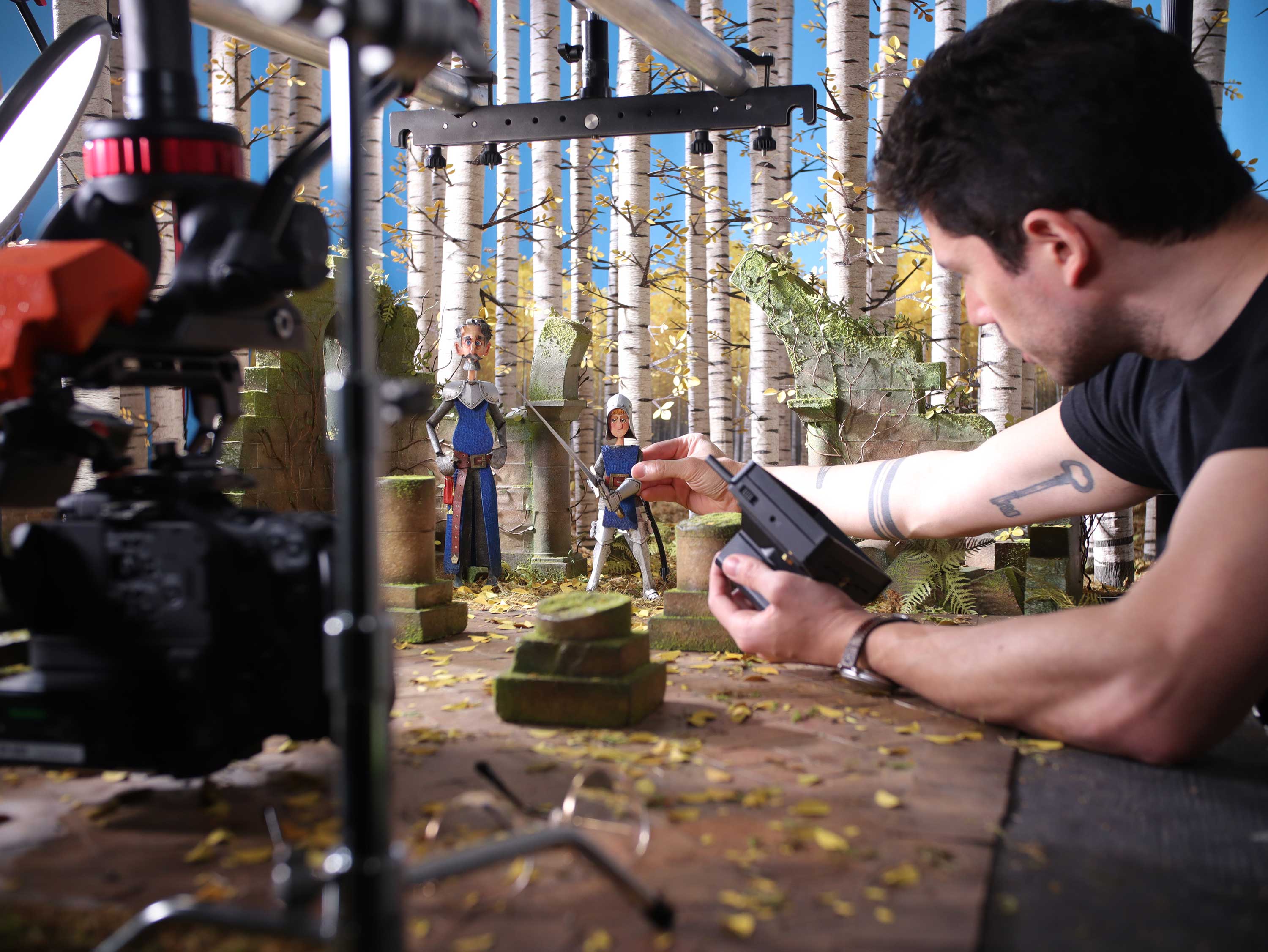
Sensing the immense amount of work behind each of his creations, I immediately felt the deep passion he puts into what he does. I had the feeling I was in front of an artist capable not only of creating a unique world and language, but also of sharing it and bringing it to life in a special way through his passion (I truly love the way he shows his process).
His work is a joy for the eyes and for the soul. Not only because it is objectively beautiful, but because it is alive: Julian is able to infuse each of his characters with emotion. Characters that carry an energy that comes directly from the passion and dedication he pours into his work.
Meeting him — even if only digitally for now — and sharing his world with all of you made me realize how important it is to absorb what surrounds us and give it back in a new form, one that can express our unique vision of the world.
Both the gift and the responsibility that every great artist carries.
Gabriele Bonavera
Quando per la prima volta ho incrociato il lavoro di Julian, il mio cervello ha avuto una reazione strana. È come se mi avesse detto:
“Le cose che sto vedendo sono fantastiche. Mi ricordano qualcosa che ho già visto, qualcosa che conosco, ma allo stesso tempo sono assolutamente uniche. E ne voglio di più.”
E il talento di Julian è proprio questo: aver fatto propri i linguaggi di tantissime espressioni artistiche diverse e conosciute, mescolarli e superarli, facendo emergere un linguaggio tutto suo, unico e distintivo.
Intuendo il lavoro enorme che c’è dietro ogni sua creazione, ho percepito subito la passione immensa che mette in ciò che fa. Ho avuto la sensazione di trovarmi davanti a un artista capace non solo di creare un mondo e un linguaggio unici, ma anche di raccontarli e farli vivere in modo speciale attraverso la sua passione (adoro il modo in cui mostra il suo processo).
Il suo lavoro è una gioia per gli occhi e per l’anima. Non solo perché è oggettivamente bellissimo, ma perché è vivo: Julian riesce a rendere ogni suo personaggio carico di emozioni. Personaggi che emanano un’energia che arriva direttamente dalla passione e dall’impegno che mette in ciò che fa.
Incontrarlo — purtroppo ancora solo digitalmente — e condividere il suo mondo con tutti voi è stato qualcosa che mi ha fatto capire quanto sia importante assorbire ciò che ci circonda e restituirlo in una forma nuova, capace di trasmettere agli altri la nostra visione unica del mondo.
Il dono, e allo stesso tempo la responsabilità, che ogni grande artista ha.
Gabriele Bonavera
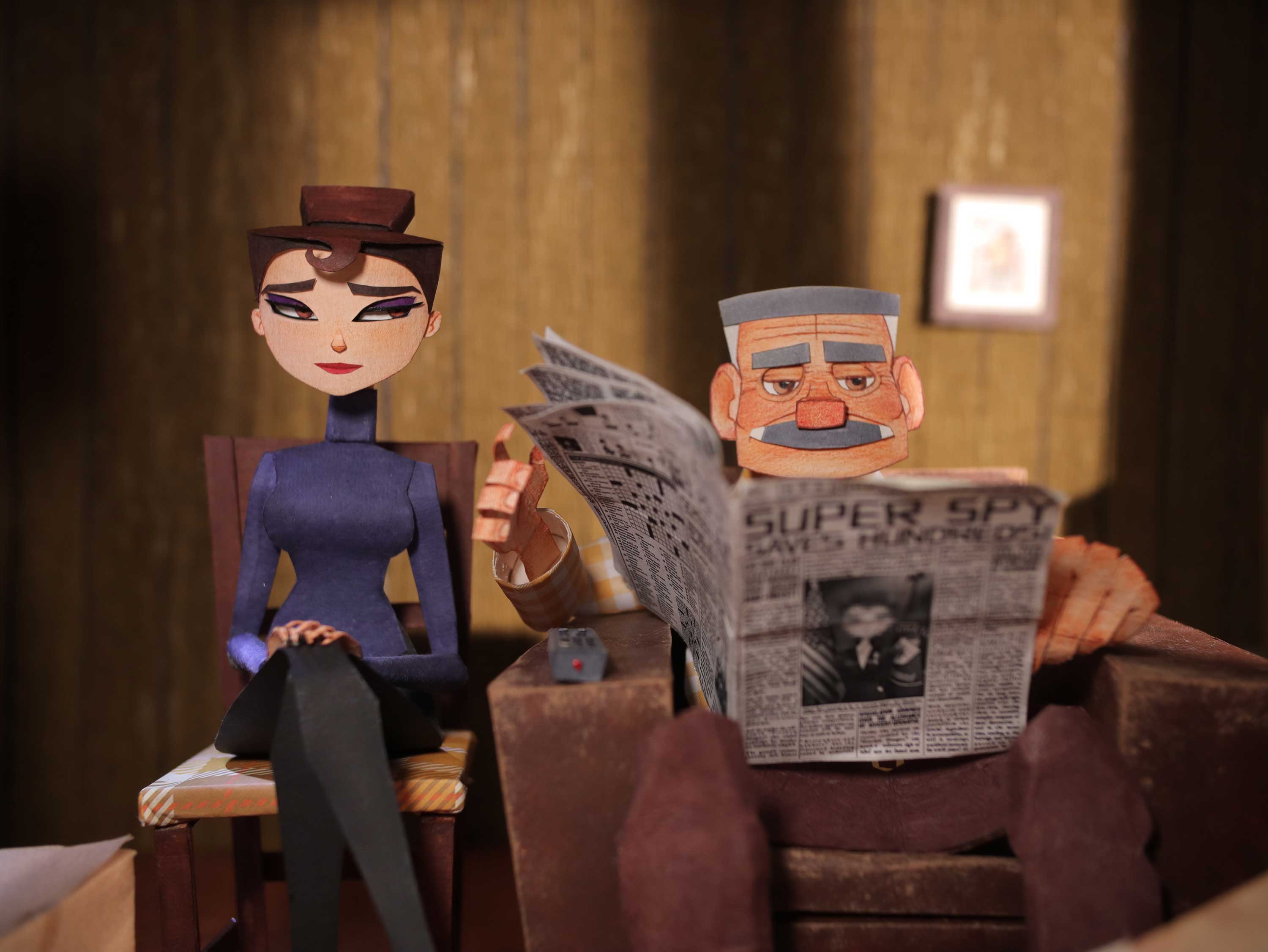
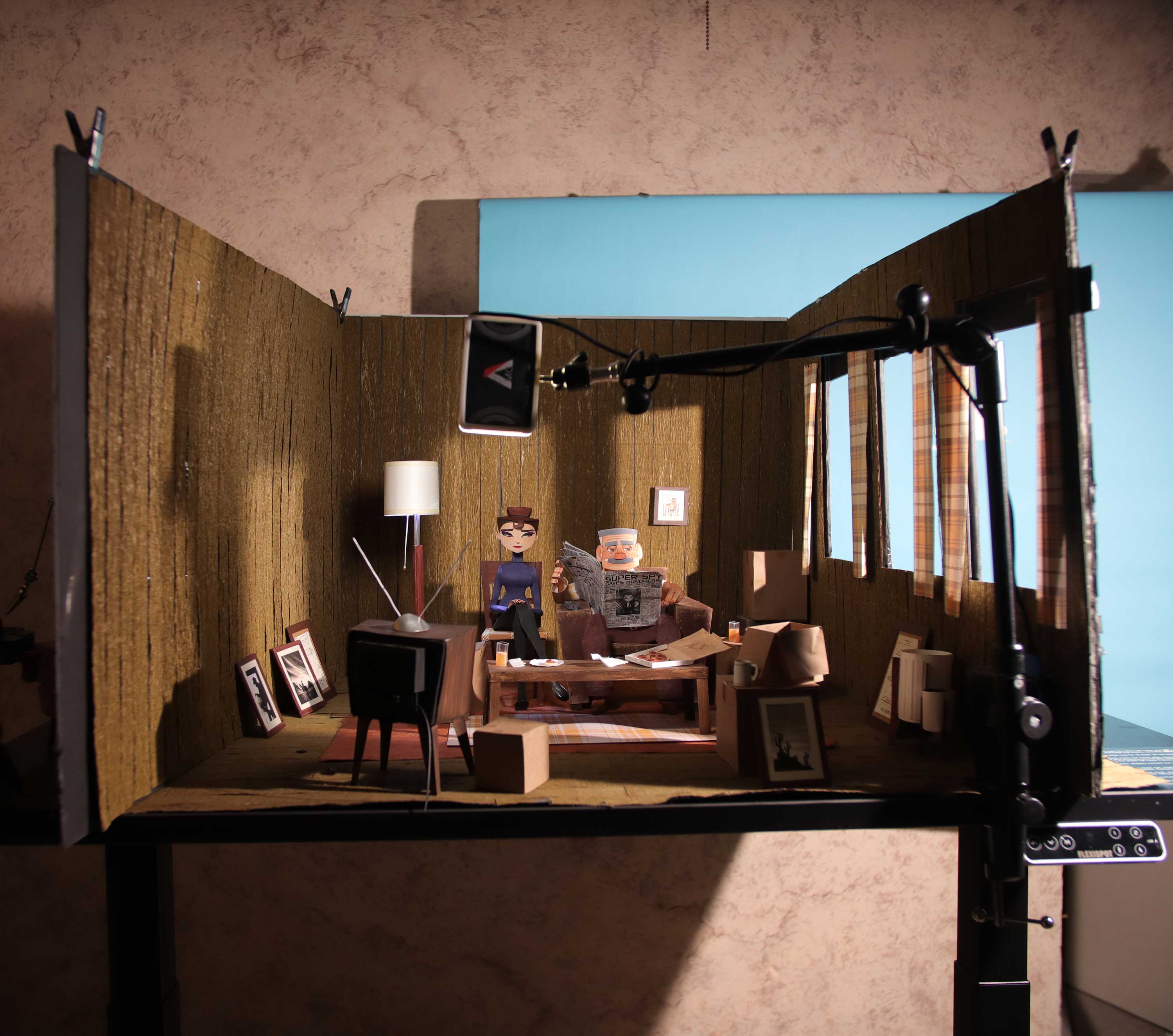
The place where your work begins.
What kind of space is it, and what does it quietly give back to you while you create?
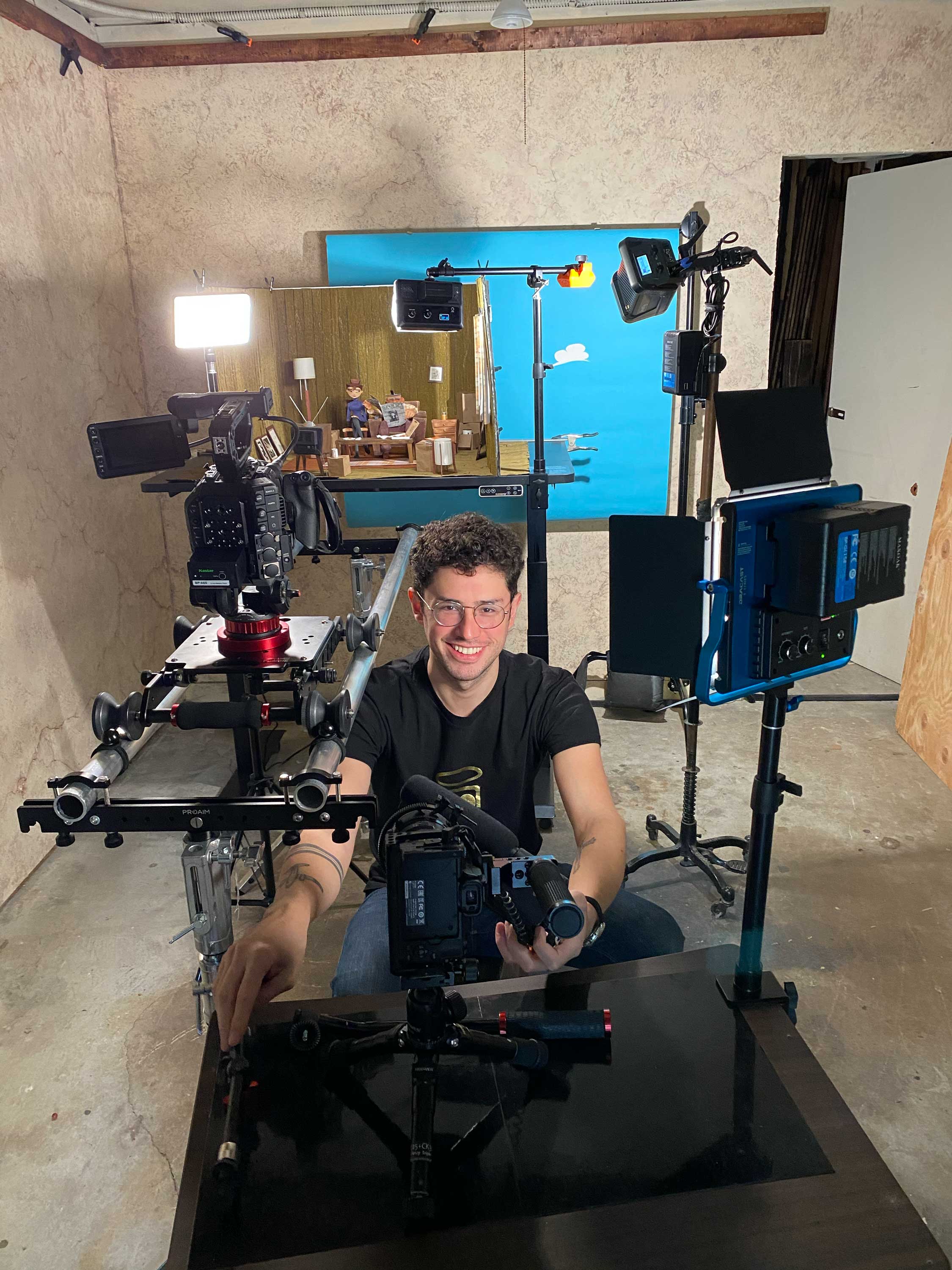
The majority of my work happens in a small room that’s meant to be a second bedroom. But I can barely imagine anybody sleeping in a space so small.
The room is divided into two halves, one half dedicated to the digital side of my work (computer, sound equipment, and camera equipment), and the other half is arranged for the painting and building side of my craft.
The unintended advantage of working out of such a small space is that all my tools and supplies are within arms reach. Organized above my work bench are collections of art supplies, tools, paints, brushes, pencils, and markers. And around my computer, combinations of microphones, cameras, lenses, and other digital tools that help share my physical art across the internet.
That arrangement quietly reminds me that regardless of the size or complexity of the setback before me, a solution is within arms reach. It tells me that the combination and application of tools are what can rescue me from giving up. And that the size of a workspace is no reflection of the promise of its reach.
Il luogo in cui nasce il tuo lavoro.
Che tipo di spazio è, e cosa ti restituisce mentre crei?
La maggior parte del mio lavoro prende forma in una piccola stanza che, sulla carta, dovrebbe essere una seconda camera da letto. Ma faccio fatica a immaginare qualcuno che possa davvero dormirci.
Lo spazio è diviso in due: una metà dedicata al lato digitale — computer, attrezzatura audio e fotografica — e l’altra alla parte più fisica del mio lavoro, dove dipingo, costruisco, assemblo.
Il vantaggio inatteso di lavorare in uno spazio così ridotto è che tutto è sempre a portata di mano. Sopra il banco ho raccolte di materiali, attrezzi, colori, pennelli, matite. Intorno al computer, microfoni, videocamere, obiettivi e strumenti digitali che mi permettono di condividere il mio lavoro online.
Questa disposizione mi ricorda, in modo silenzioso, che indipendentemente dalla dimensione o dalla complessità dell’ostacolo, una soluzione è sempre vicina. Mi ricorda che è nella combinazione degli strumenti che trovo una via per non arrendermi. E che la grandezza di uno spazio non misura mai la portata di ciò che può generare.
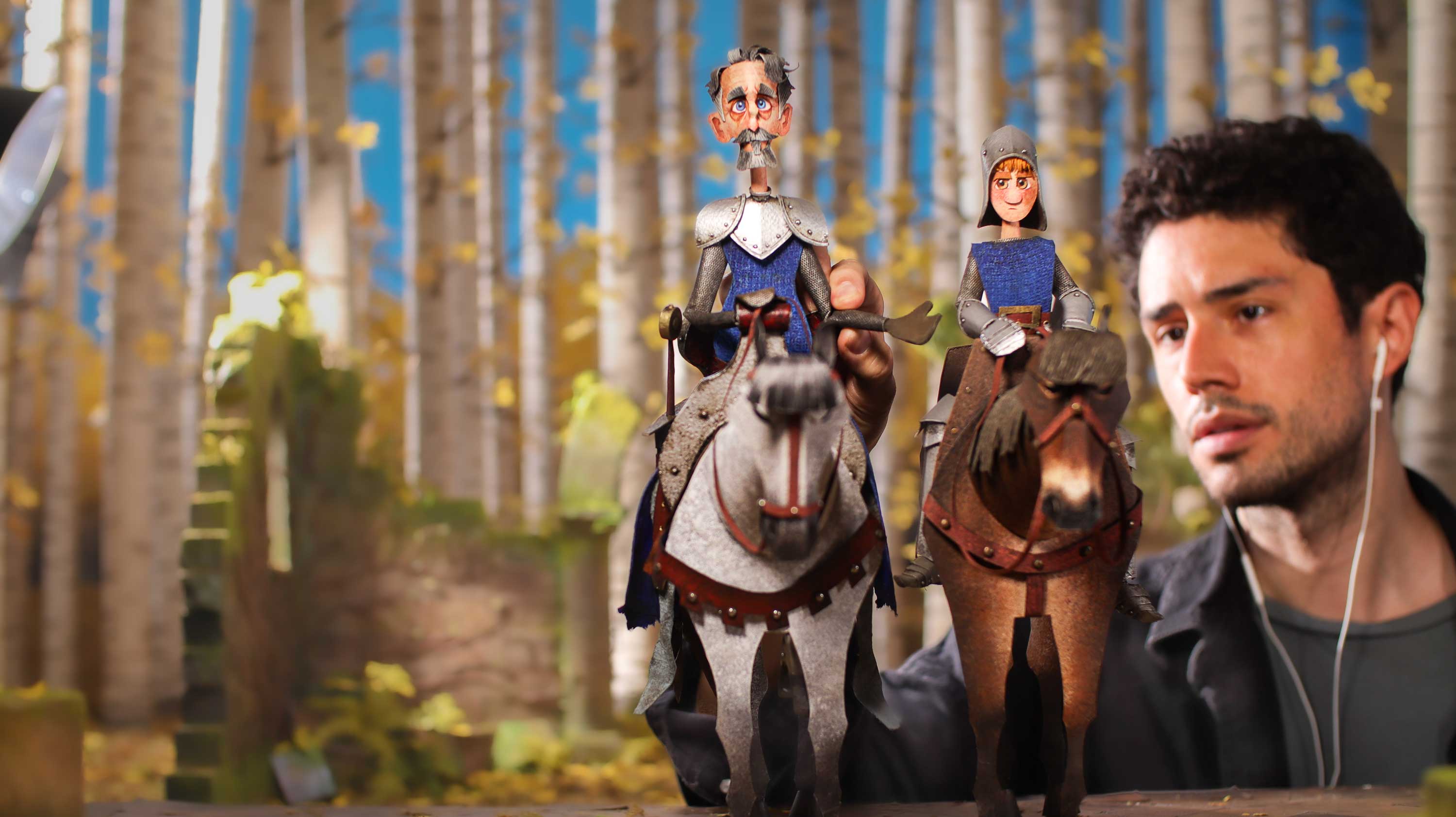
When you are creating, what happens inside you?
Is there a feeling, a rhythm, or a silence that accompanies your process?
While I work, I enjoy listening to interviews or videos of creatives in adjacent fields sharing the highs and lows of their creative processes. It makes me feel less isolated in my struggles, and (depending on the subject of the interview) can inspire me with personal or professional aspirations to work toward.
Making art can be quite lonely. But by absorbing the perspectives of others, I know I’m not alone. And that’s a rhythm that keeps me going.
Quando stai creando, cosa accade dentro di te?
C’è una sensazione, un ritmo o un silenzio che accompagna il tuo processo?
Mentre lavoro, mi piace ascoltare interviste o guardare video di creativi in ambiti affini, che raccontano gli alti e bassi del loro percorso. Mi aiuta a sentirmi meno solo nelle difficoltà e, a volte, accende nuove aspirazioni, personali o professionali. Fare arte può essere un’esperienza profondamente solitaria.
Ma ascoltando le voci degli altri, so di non esserlo davvero. Ed è questo il ritmo che mi accompagna e mi permette di andare avanti.
Every path carries its own weight.
Is there a difficulty you’ve had to face as an artist, and how has it shaped the way you work today?
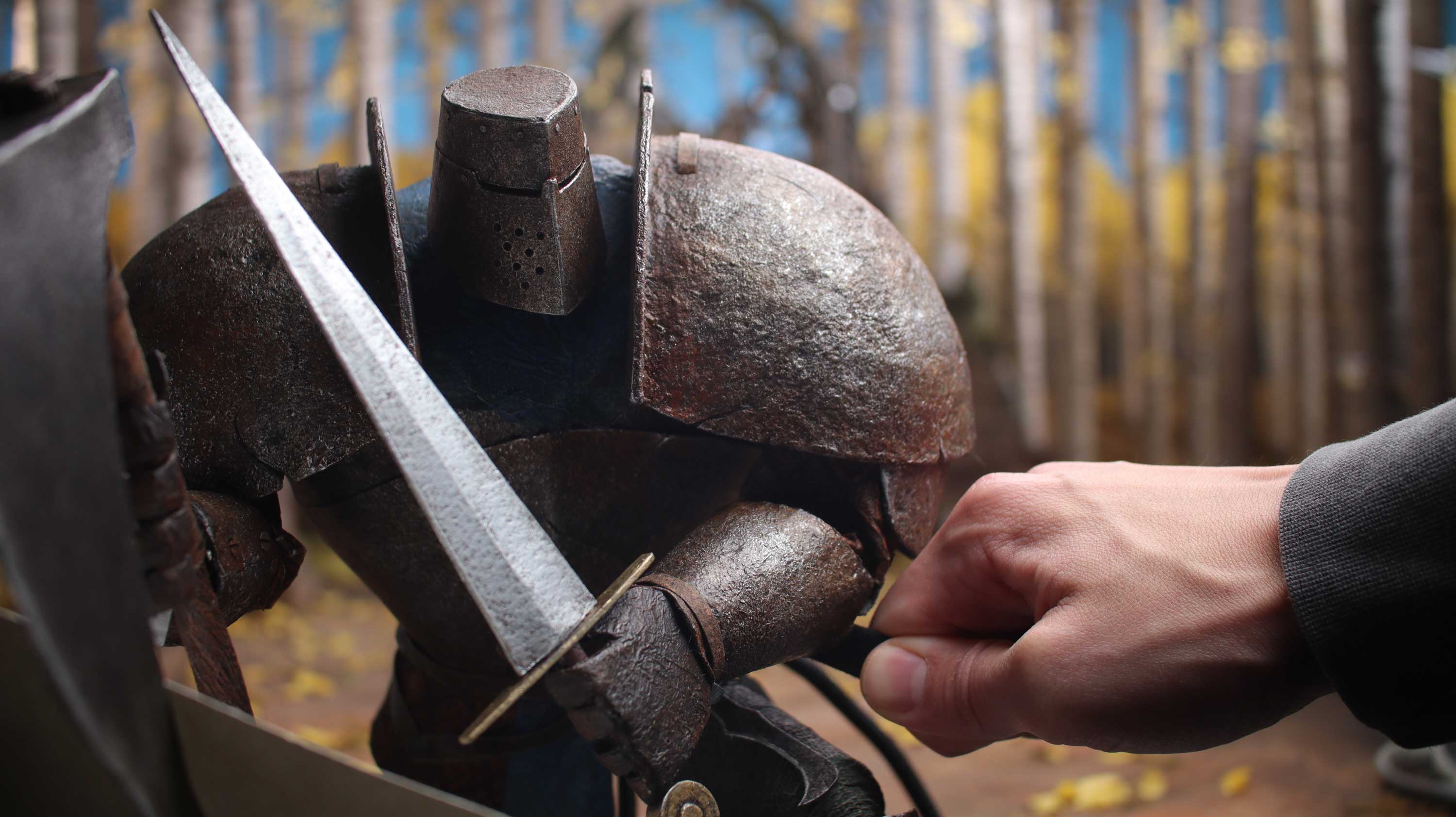
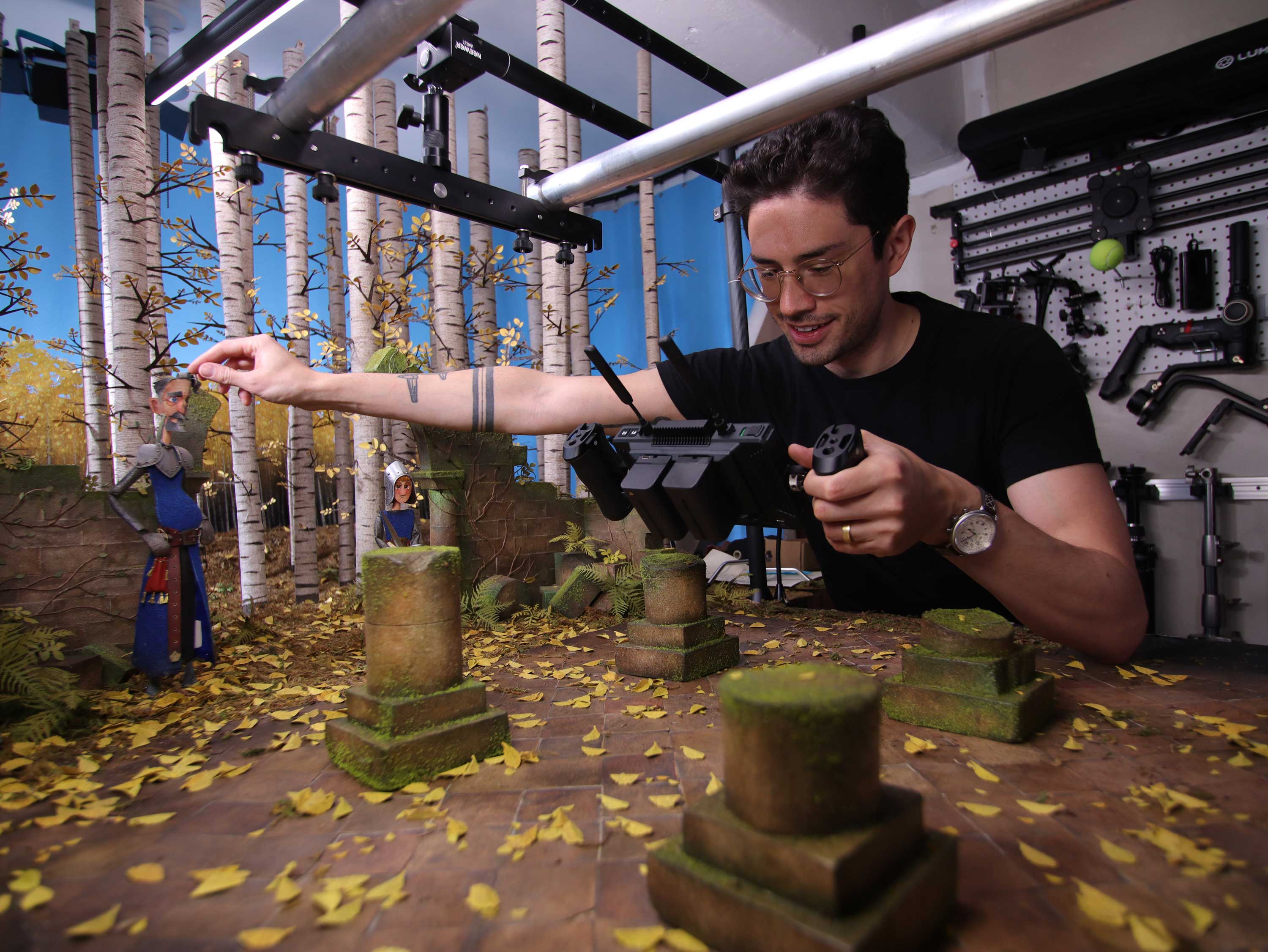
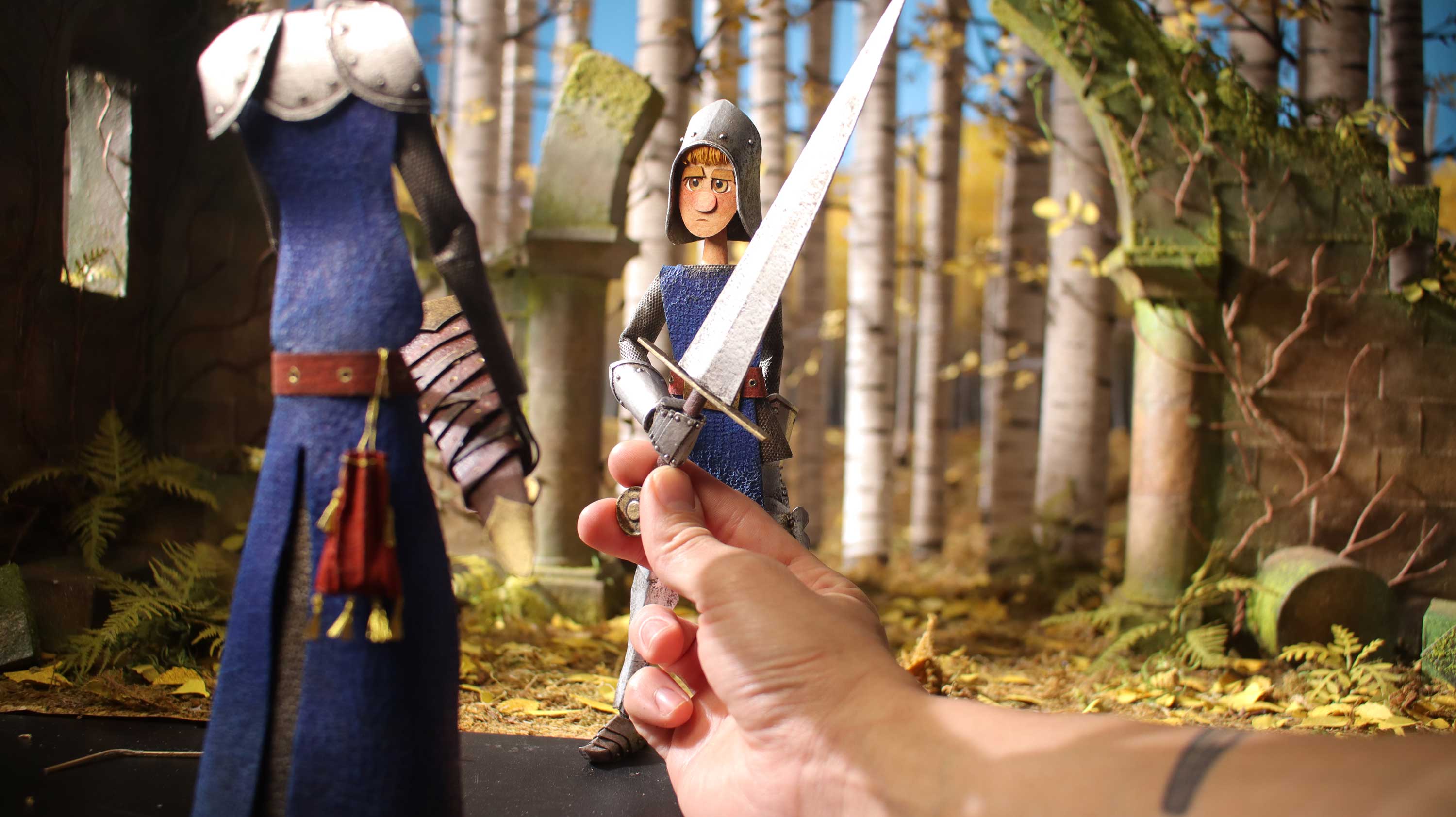
Working in a style that isn’t well established is rewarding in the long run (as it’s often applauded for being unique or fresh). But that advantage comes with the disadvantage of having almost no one to turn to for advice when it comes to my specific application of combined techniques.
I steal from many adjacent art forms such as stop motion, miniature model making, photography, doll making, sculpture, painting, and of course puppetry. And while the combination of influences is what makes an artist’s style and voice unique, that same singularity may be the very island on which an artist can find themselves stranded.
So I’d say that my greatest struggle is the worry of whether my solution to any given obstacle is the best solution. The voices of a thousand influences can crowd my decision making process.
But what rescues me from the island of singularity is the assurance that my solution might not be the best, but it’s my best. And that’s all anyone can do.
Ogni percorso porta con sé un peso.
C’è stata una difficoltà che hai dovuto affrontare come artista, e in che modo ha influenzato il tuo modo di lavorare oggi?
Lavorare con uno stile non ancora definito o riconosciuto può essere molto gratificante nel tempo — viene spesso percepito come qualcosa di unico, di fresco.
Ma questa libertà porta con sé anche una difficoltà: avere pochissimi riferimenti a cui rivolgersi. Il mio lavoro prende in prestito da molte forme d’arte: stop motion, modellismo in miniatura, fotografia, creazione di bambole, scultura, pittura, teatro di figura.
È proprio questa combinazione a costruire una voce. Ma quella stessa unicità può diventare anche un’isola. La mia difficoltà più grande è il dubbio: chiedermi se la soluzione che sto scegliendo sia davvero la migliore. Le voci di tante influenze possono affollare le decisioni.
Quello che mi salva è ricordare che forse non è la soluzione migliore in assoluto, ma è la migliore che io possa dare. E, in fondo, è tutto ciò che chiunque può fare.
If art were a word you carry with you, what would that word be — and why?
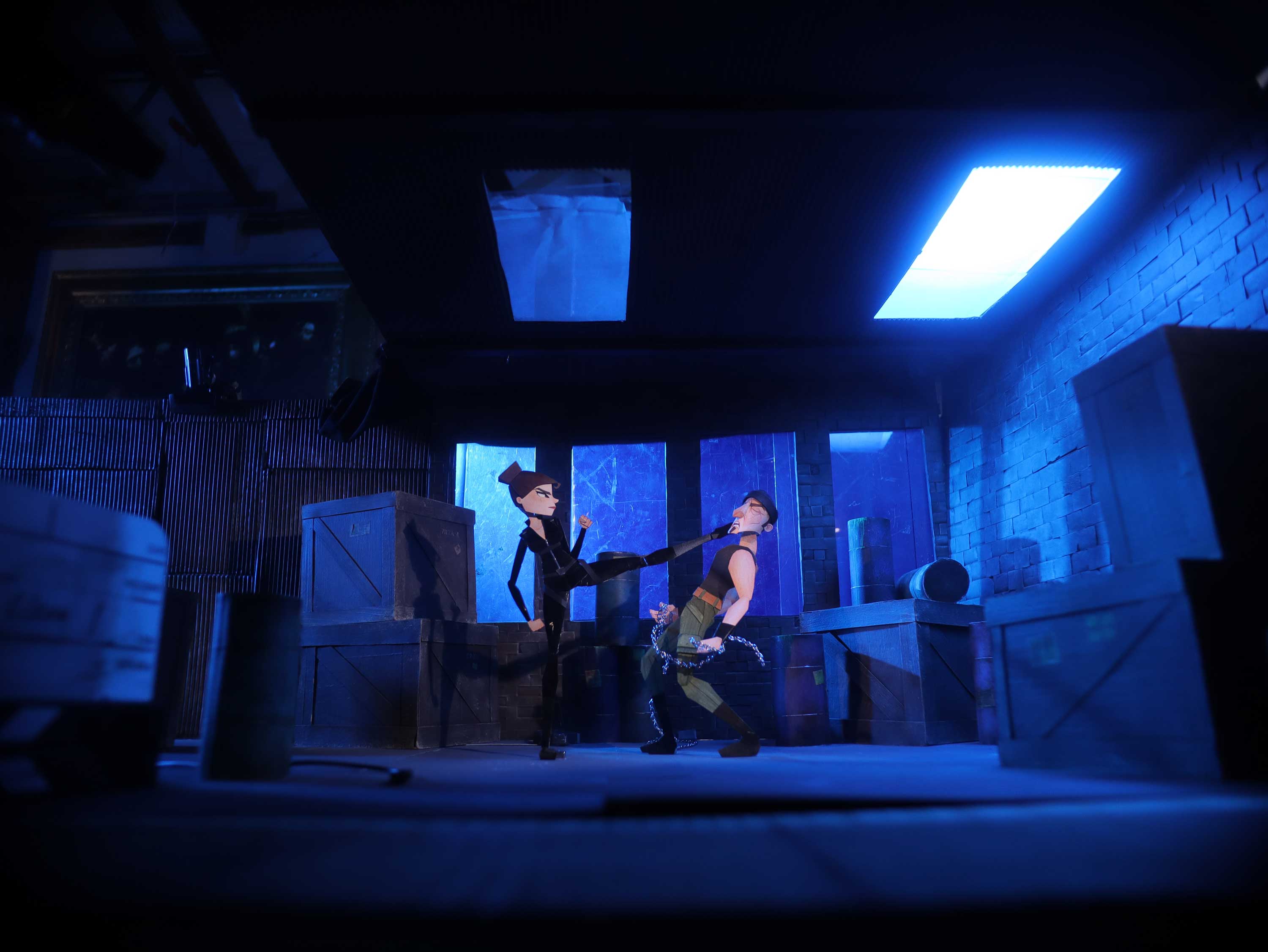
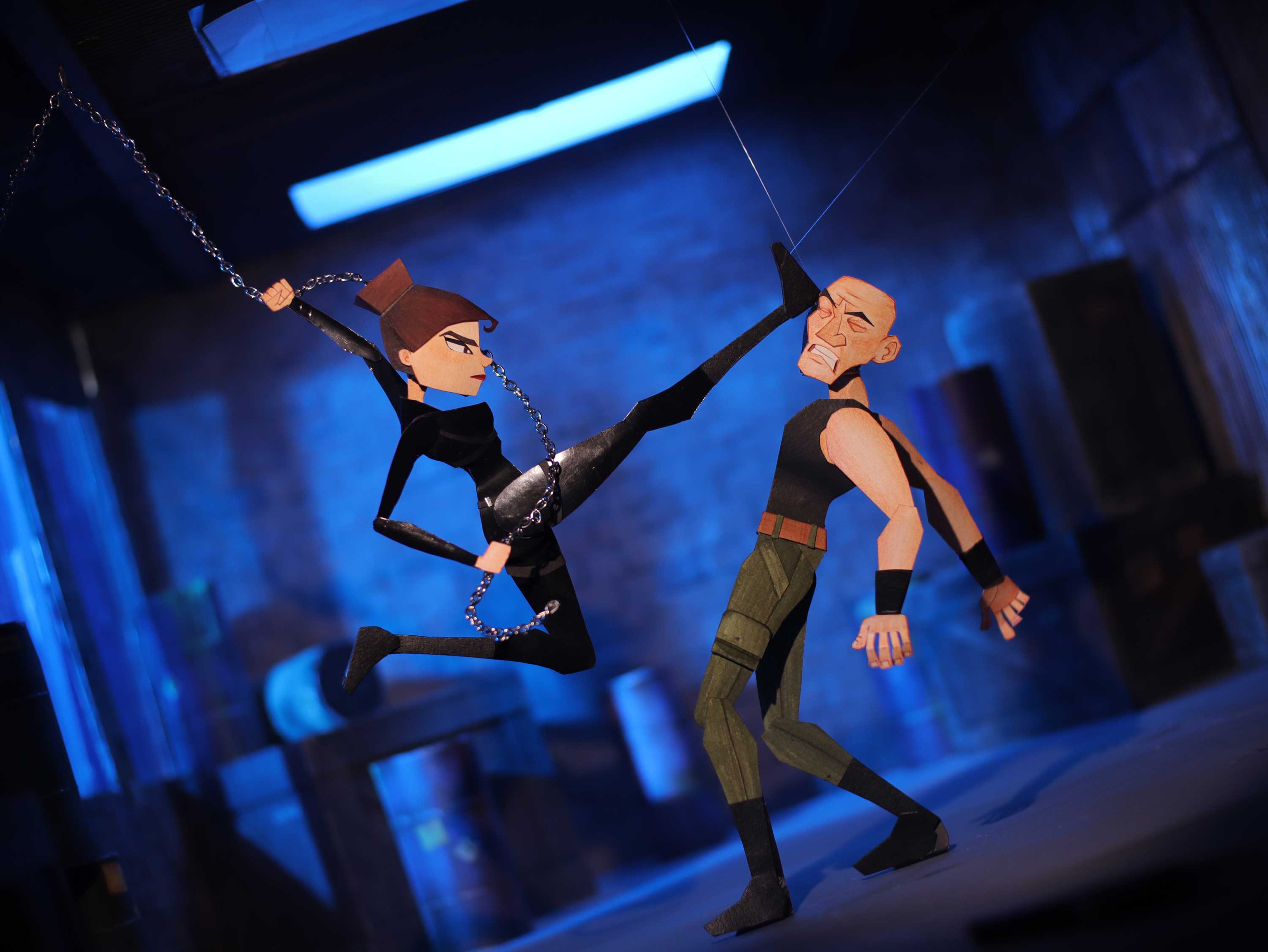
“Onward”. Onward is the word that picks me up after a failure, and keeps me focused after a success. While perfectionism slows me down, “onward” is the fuel that helps push me through indecision.
And while success is sweet, it’s never long lasting. There is no mountaintop to reach in art. There's only the next idea. The next journey.
And whether those ideas are realized or abandoned, "onward" is the only path that leads to growth.
Se l’arte fosse una parola che porti con te, quale sarebbe — e perché?
Avanti.
È la parola che mi rialza dopo un fallimento e mi tiene centrato dopo un successo. Se il perfezionismo mi rallenta, “avanti” è ciò che mi spinge attraverso l’indecisione.
Il successo è dolce, ma non dura. Nell’arte non esiste una vetta definitiva. C’è solo la prossima idea. Il prossimo viaggio. E che quelle idee vengano realizzate o lasciate andare, avanti è l’unica direzione che porta alla crescita.
All images on this page are the property of the artist and have been kindly provided for this project. Any unauthorized reproduction or use is prohibited.
Tutte le immagini contenute in questa pagina sono di proprietà dell'artista e sono state gentilmente concesse per questo progetto. Ogni riproduzione o utilizzo non autorizzato è vietato.