La Stanza Blu - Voices
Naomi Vona
The alchemy of thought
L'alchimia del pensiero
Italy
After reading Naomi’s answers to the Voices interview, it felt as though all the pieces of the puzzle had finally fallen into place. Her strength, energy, and creative urgency aligned perfectly with her visual language of colors, shapes, images, and expressive power.
I had the feeling that all of this was held together by a powerful alchemy of visible and invisible elements, capable of transforming the images we are used to seeing — the very ones she appropriates and reshapes — into something else.
Something far more powerful, rebellious, and alive.
A deeply personal way of altering visual matter through energy and the desire to express herself in complete freedom.
Gabriele Bonavera
Dopo aver letto le risposte di Naomi all’intervista di Voices, è come se tutte le tessere del puzzle avessero trovato il loro posto. La sua forza, la sua energia e la sua urgenza creativa si sono incastrate perfettamente con il suo linguaggio visivo fatto di colori, forme, immagini e potenza espressiva.
Ho avuto la sensazione che tutto questo fosse tenuto insieme da una potente alchimia di elementi visibili e invisibili, capaci di trasformare le immagini che siamo abituati a vedere — come quelle che lei utilizza e riplasma — in qualcos’altro.
Qualcosa di molto più potente, ribelle e vivo.
Un modo personalissimo di alterare la materia visiva attraverso l’energia e il desiderio di esprimersi in totale libertà.
Gabriele Bonavera
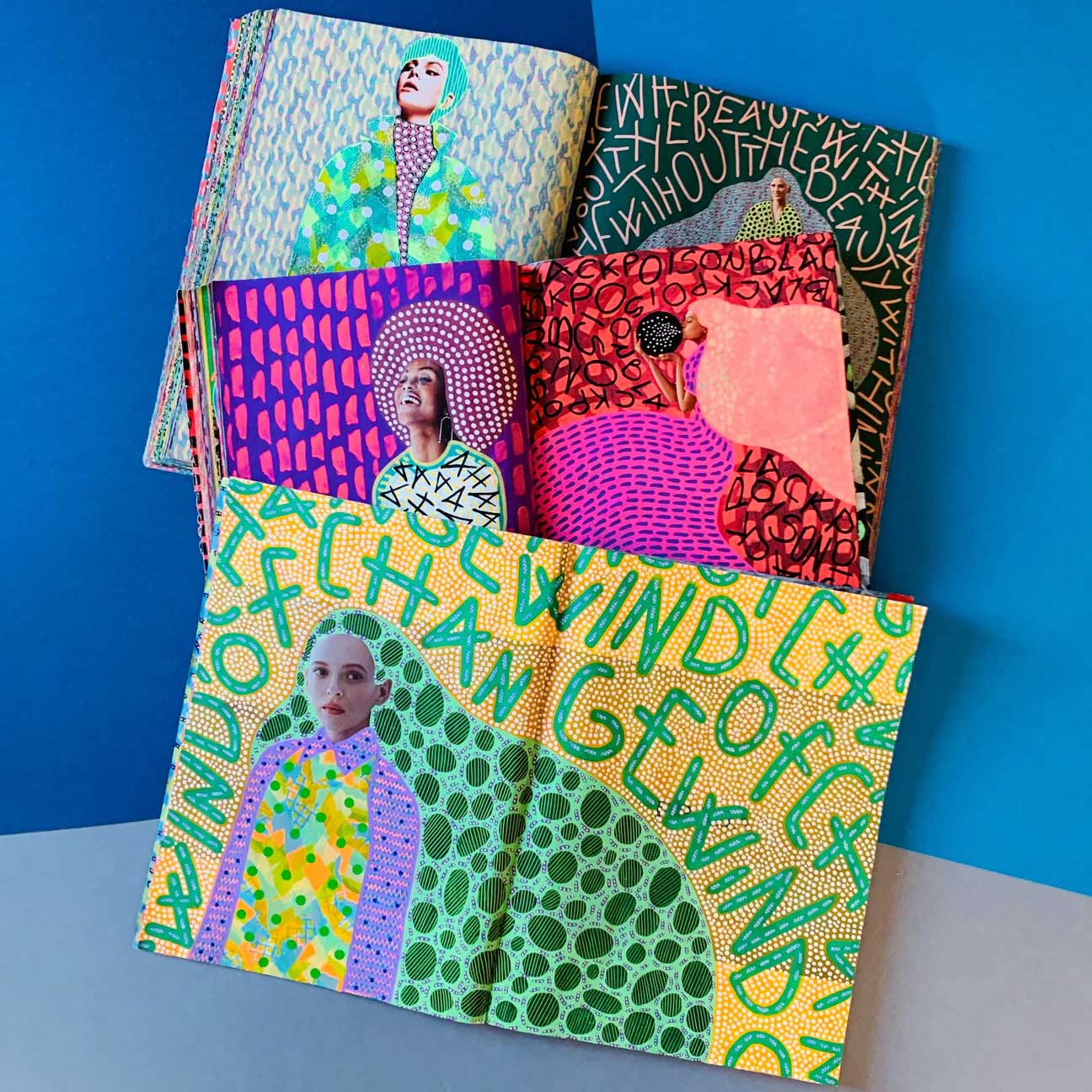
The place where your work begins.
What kind of space is it, and what does it quietly give back to you while you create?
In reality, the space where I create is quite significant precisely because I’ve never had a particular attachment to the physical place where I work. Often, my real workspace is mental.
I’m not sure exactly how to explain it, but what surrounds me — the studio, the physical room — has never been especially decisive for me. I’ve lived and worked in different countries, and especially at the beginning of my career, I often found myself creating in very uncomfortable situations: kitchens, improvised corners, tables that were never meant to be studios or creative spaces. Because of that, I learned to look for concentration more within myself than outside of myself. More in a mental space than a physical one. My life has always felt like a kind of “work in progress”; I’ve never really experienced a condition of complete peace and stability.
In recent years, I’ve been fortunate enough to have a studio and to work with more calm, in an environment I can control. But even so, I’ve never developed a particularly close relationship with the space around me. And I find that interesting, because I used to envy people who, especially in the beginning, had a space entirely of their own. But in the end, I realized that what I truly needed was concentration. A mental space. The determination to create something, regardless of the physical, geographical, or economic circumstances I was in.
Il luogo in cui nasce il tuo lavoro.
Che tipo di spazio è, e cosa ti restituisce mentre crei?
In realtà, lo spazio in cui creo è abbastanza rilevante proprio perché non ho mai avuto un attaccamento particolare al luogo fisico in cui lavoro. Spesso, il mio vero spazio di lavoro è mentale.
Non so bene come spiegarlo, ma ciò che mi circonda — lo studio, la stanza fisica — per me è sempre stato poco determinante. Ho vissuto e lavorato in diversi paesi e, soprattutto all’inizio della mia carriera, mi sono trovata spesso a creare in situazioni molto scomode: cucine, angoli improvvisati, tavoli che non erano pensati per essere studi o spazi creativi. Per questo ho imparato a cercare la concentrazione più dentro di me che fuori. Più nello spazio mentale che in quello fisico. La mia vita è sempre stata una sorta di “lavori in corso”, non ho mai vissuto una condizione di pace e stabilità assoluta.
Negli ultimi anni ho avuto la fortuna di avere uno studio e di poter lavorare con maggiore tranquillità, in un ambiente che posso controllare, ma nonostante questo non ho mai sviluppato un rapporto particolarmente stretto con lo spazio che mi circonda. E trovo questa cosa interessante, perché ho sempre invidiato chi, soprattutto all’inizio, poteva avere uno spazio tutto suo. Poi però mi sono resa conto che ciò di cui avevo davvero bisogno era concentrazione. Uno spazio mentale. La volontà di fare qualcosa, indipendentemente dalla situazione fisica, geografica o economica in cui mi trovavo.
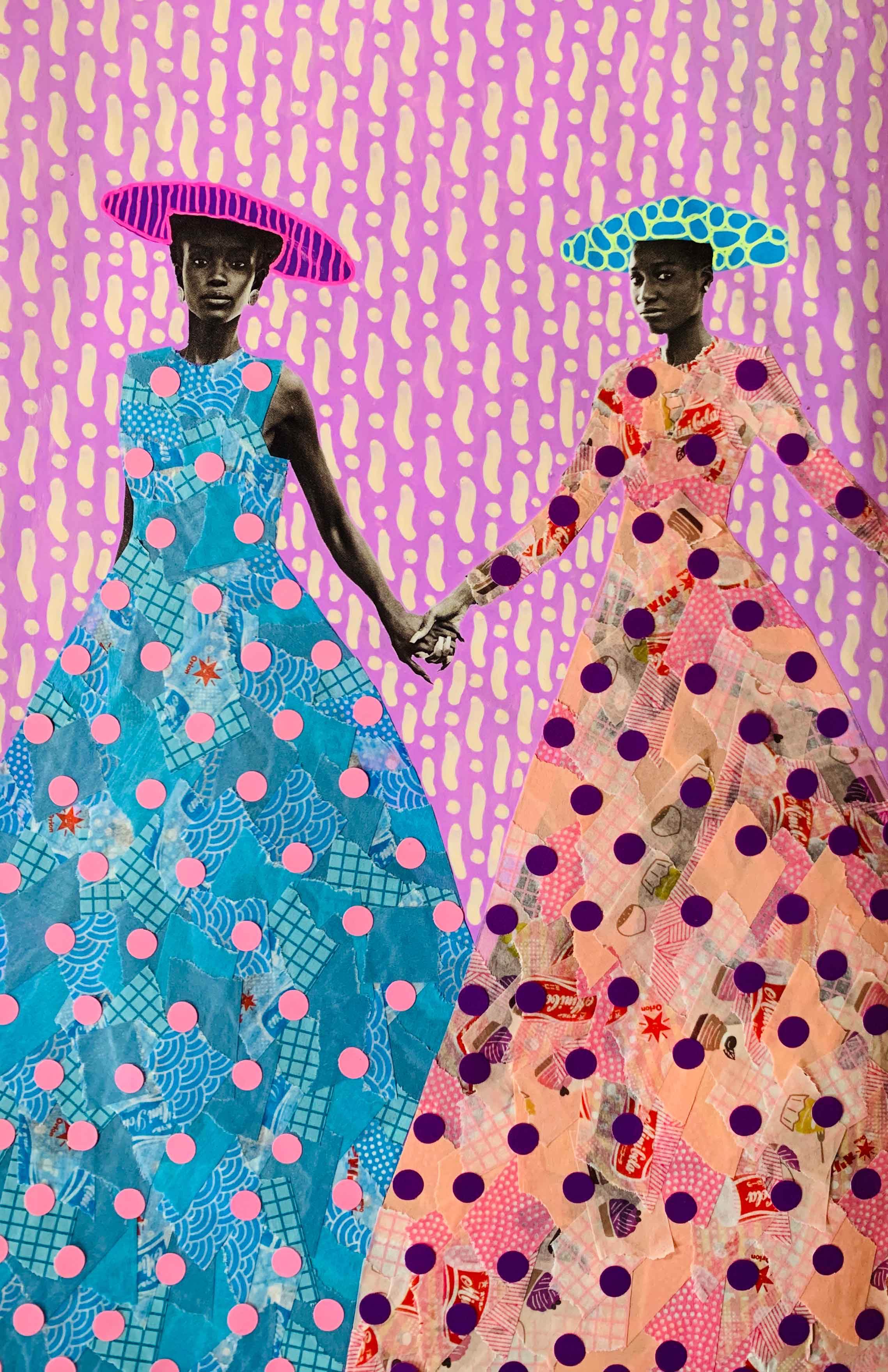
When you are creating, what happens inside you?
Is there a feeling, a rhythm, or a silence that accompanies your process?
I’ve often been asked more practical questions, like whether I listen to music or watch something while I work. Actually, often the answer is no. My work is very quiet, and that’s because I work a lot with my mind.
For me, creating is a way of releasing stress. My mind is constantly full of thoughts — I’m not sure whether that’s a good thing or a bad thing — but it’s always very active. So I try to channel that stress and release it through creation. It’s as if those thoughts, instead of remaining scattered or overwhelming me, become focused through a creative activity.
When I teach or lead workshops, I often tell my students to transform frustration into creativity. I say that because it’s exactly what I do myself. Creating has been a very concrete way for me to do something with that mental energy, instead of letting myself be overwhelmed by my thoughts.
So, what happens inside me? I overthink. I might have worries that mentally paralyze me, and then I create in order to release all of that. It’s a way of lightening the weight.
Quando stai creando, cosa accade dentro di te?
C’è una sensazione, un ritmo o un silenzio che accompagna il tuo processo?
Mi hanno fatto spesso domande più pratiche, tipo se ascolto musica o guardo qualcosa mentre lavoro. In realtà, spesso no. Il mio lavoro è molto silenzioso, e questo perché io lavoro tantissimo con la mente.
Per me creare è un modo per sfiatare lo stress. Ho una mente costantemente piena di pensieri — non so se sia un bene o un male — ma è sempre molto attiva. E quindi cerco di incanalare quello stress e rilasciarlo attraverso la creazione. È come se i pensieri, invece di restare dispersi o schiacciarmi, venissero focalizzati in un’attività creativa.
Quando insegno o tengo workshop, dico spesso ai miei studenti di trasformare la frustrazione in creatività. Lo dico perché è esattamente quello che faccio io. Per me creare è stato un modo concreto di fare qualcosa con quell’energia mentale, invece di lasciarmi sopraffare dai pensieri.
Quindi, cosa accade dentro di me? Succede che penso troppo, magari ho preoccupazioni che mi immobilizzano mentalmente, e allora creo per rilasciare tutto questo. È un modo per alleggerirmi.
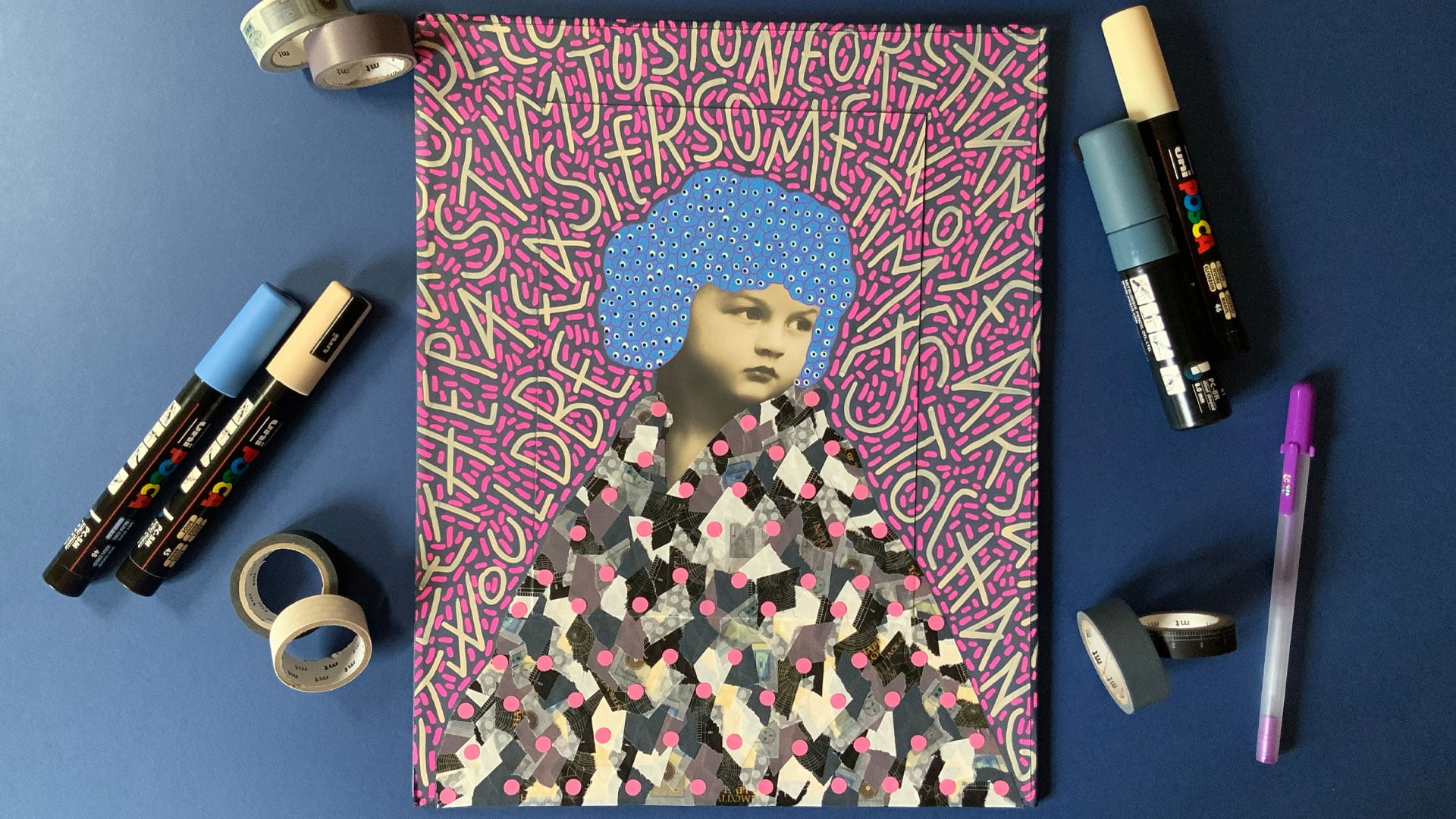
Every path carries its own weight.
Is there a difficulty you’ve had to face as an artist, and how has it shaped the way you work today?
In general, an artistic journey is never linear. It’s never a steady upward progression. It’s more like a ride: you go up, you go down, you fall, you rise again, you make mistakes, and you keep learning. That’s why it’s difficult for me to identify just one challenge, because uncertainty is part of the process.
Perhaps, especially in the beginning, the greatest difficulty for an artist trying to establish themselves is understanding whether what they’re doing truly has an impact. Whether it has relevance. Because you ask yourself: I’m doing so much, but no one sees it. I don’t have enough visibility, I don’t have places to exhibit, I don’t have the financial resources to invest.
These are very real difficulties, especially at the start. But honestly, I don’t think there’s ever a moment when you can truly say, “I’ve made it, now I can relax.” And I actually think that’s a positive thing, because the moment you believe you’ve arrived, your creative journey might begin to become complacent.
So the real challenge is continuing to believe in your work even when you don’t receive immediate validation. Not because art should be about money or recognition, but because if you want to turn a passion into a profession, the practical and financial side does exist. You need to be able to afford materials, expenses, investments.
But there’s also a mental aspect: deciding that, regardless of how things are going, if you feel it’s worth investing in what you love, you keep going. That’s really my approach today: believing I can always improve, and accepting that some moments will be better than others.
You have to remain a little like a first-year student. To believe there is always something left to learn. And perhaps that’s the most beautiful part of this work.
Ogni percorso porta con sé un peso.
C’è stata una difficoltà che hai dovuto affrontare come artista, e in che modo ha influenzato il tuo modo di lavorare oggi?
In generale, il percorso artistico non è mai lineare. Non è una crescita costante. È più simile a una giostra: si sale, si scende, si cade, si risale, si sbaglia e si continua a imparare. Per questo faccio fatica a identificare una sola difficoltà, perché l’incertezza fa parte del processo.
Forse, soprattutto all’inizio, la difficoltà più grande per un artista che vuole affermarsi è capire se quello che sta facendo abbia davvero un impatto. Se abbia rilevanza. Perché ti chiedi: sto facendo tante cose, ma nessuno le vede? Non ho abbastanza visibilità, non ho spazi dove esporre, non ho risorse economiche da investire.
Queste sono difficoltà molto concrete, soprattutto all’inizio. Ma in realtà credo che non esista mai un momento in cui puoi davvero dire: “Ce l’ho fatta, adesso posso rilassarmi.” E penso sia anche positivo, perché nel momento in cui credi di essere arrivato, forse il tuo percorso creativo rischia di impigrirsi.
Quindi la vera sfida è continuare a credere nel proprio lavoro anche quando non hai conferme immediate. Non perché si debba creare per soldi o notorietà, ma perché se vuoi trasformare una passione in un lavoro, l’aspetto pratico e finanziario esiste. Devi poterti permettere materiali, spese, investimenti.
Ma c’è anche un aspetto mentale: decidere che, indipendentemente da come stanno andando le cose, se senti che vale la pena investire in ciò che ami, continui a farlo. Il mio approccio oggi è proprio questo: pensare di poter sempre migliorare e accettare che ci saranno momenti migliori e altri peggiori.
Bisogna restare un po’ come studenti del primo anno. Pensare che ci sia sempre qualcosa da imparare. Ed è forse questa la parte più bella di questo lavoro.
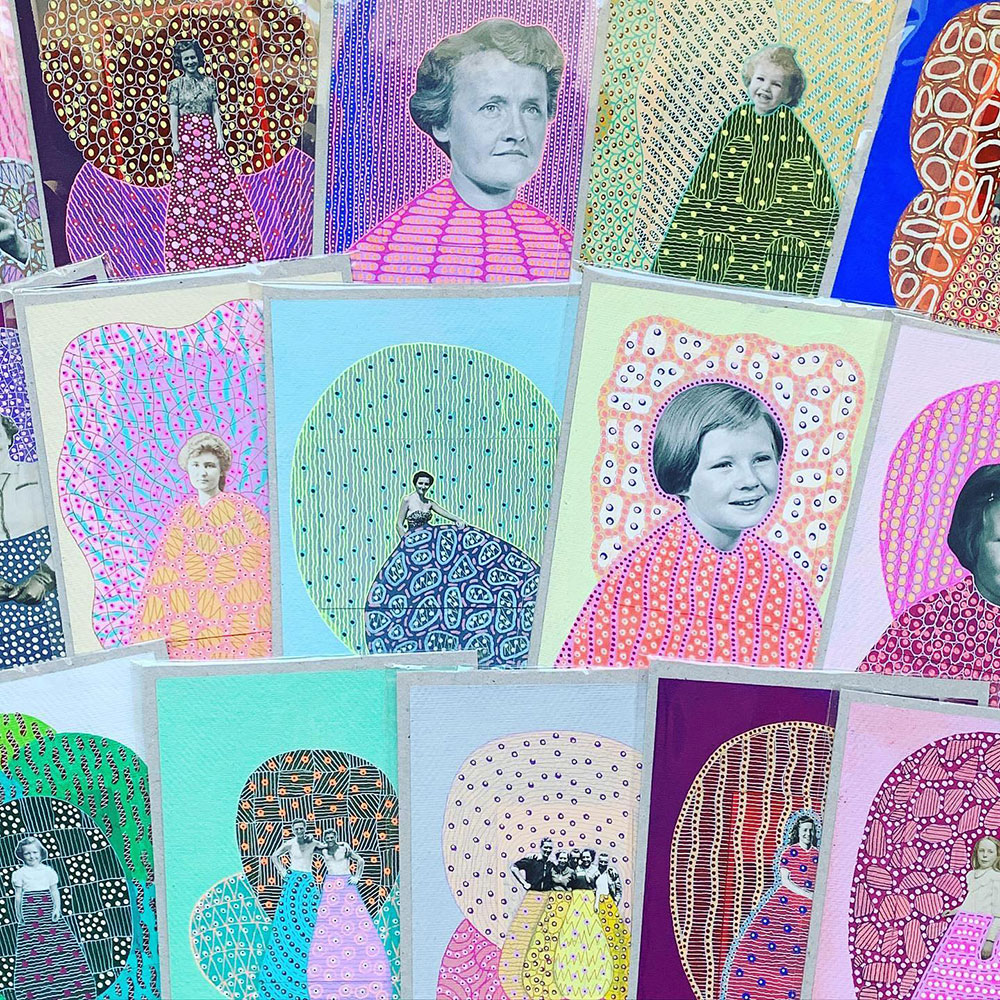
If art were a word you carry with you, what would that word be — and why?
The word I would choose is resilience.
I was thinking about this a few days ago, and it’s a term I love very much. Also because it belongs so deeply to our time. For me, resilience is a way of seeing ourselves as people capable of moving through difficulty, but also of changing things with the tools we possess.
In the world of creativity, we hold enormous communicative power. We can open doors, create connections, speak to the world in an almost magical way. That’s why I find resilience to be such a powerful word.
But I also see it in a collective dimension. Especially in this historical moment, I believe art and creativity should help people reflect, help them feel part of something. In that sense, resilience is also an almost socio-political act: the ability to imagine solutions together, to build collective thinking, to support one another.
I believe the contemporary artist should be open to collectivity, to social connection, and in some way involved in the events of their time. But resilience, for me, also belongs to the personal dimension.
Going back to the previous question: there are moments when you don’t see results, when you don’t know whether what you’re doing will work, when you have no guarantees. And yet, you continue. You continue because what you do makes sense to you. Because it makes you feel well, regardless.
That’s why it’s a word that holds so many things for me: my journey, the meaning of my work as an artist, and also the desire to involve a wider collective.
Se l’arte fosse una parola che porti con te, quale sarebbe — e perché?
La parola che sceglierei è resilienza.
Ci ho pensato qualche giorno fa, ed è un termine che amo molto. Anche perché appartiene profondamente al nostro tempo. Per me la resilienza è un modo di guardare a sé stessi come a persone capaci di attraversare le difficoltà, ma anche di cambiare le cose con gli strumenti che possiedono.
Nel mondo della creatività abbiamo un enorme potere comunicativo. Possiamo aprire porte, creare connessioni, parlare al mondo in una maniera quasi magica. Per questo trovo che resilienza sia una parola potentissima.
Ma la vedo anche in una dimensione collettiva. Soprattutto in questo momento storico, credo che arte e creatività debbano aiutare il pubblico a riflettere, a sentirsi parte di qualcosa. In questo senso, la resilienza è anche un atto quasi socio-politico: la capacità di immaginare soluzioni insieme, di costruire pensiero collettivo, di aiutarsi.
Credo che l’artista contemporaneo debba essere aperto alla collettività, alla socialità, e in qualche modo coinvolto negli eventi del proprio tempo. Ma la resilienza per me riguarda anche la dimensione personale.
Ricollegandomi alla domanda precedente: ci sono momenti in cui non vedi risultati, non sai se quello che stai facendo funzionerà, non hai garanzie. Eppure continui. Continui perché quello che fai ha senso per te. Perché ti fa stare bene, a prescindere.
Per questo è una parola che racchiude molte cose: il mio percorso, il significato del mio lavoro come artista, e anche il desiderio di coinvolgere una collettività più ampia.
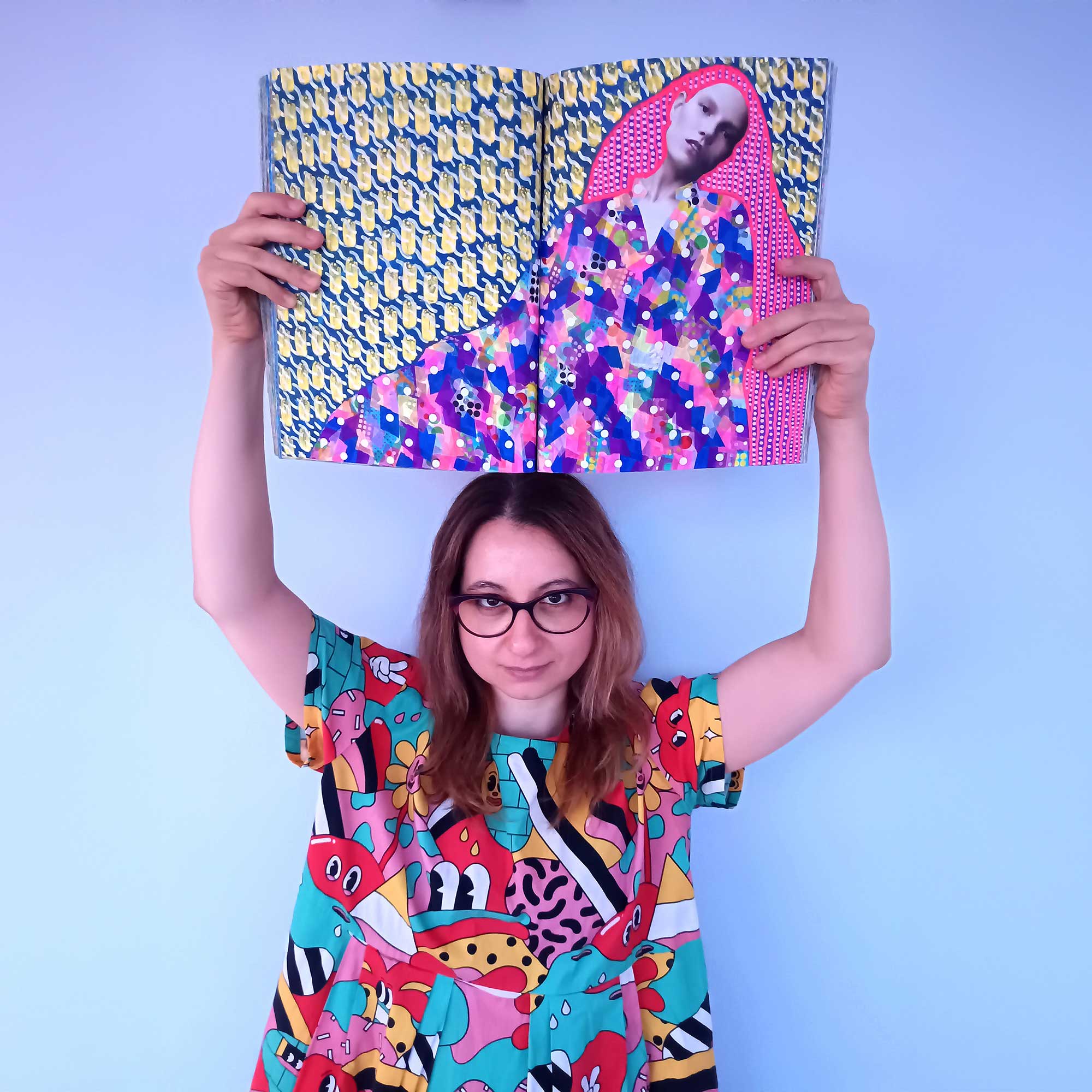
All images on this page are the property of the artist and have been kindly provided for this project. Any unauthorized reproduction or use is prohibited.
Tutte le immagini contenute in questa pagina sono di proprietà dell'artista e sono state gentilmente concesse per questo progetto. Ogni riproduzione o utilizzo non autorizzato è vietato.